This Is Why Tasmania’s Hidden Corners Shine on a Road Trip
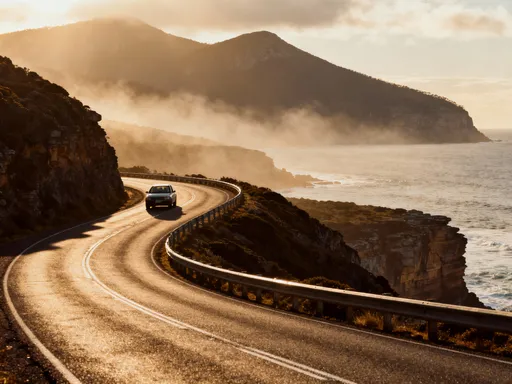
Driving through Tasmania, I realized how the island unfolds best with wheels and freedom. Hobart isn’t just a stop—it’s a launchpad. Every turn outside the city reveals raw beauty: misty peaks, wild coastlines, and forests that feel timeless. A self-drive journey here transforms scenery into stories. From Bruny Island’s cliffs to Mount Wellington’s summit glow, the views aren’t just seen—they’re felt. This is slow travel at its most rewarding. Tasmania rewards those who take the time to explore beyond postcard snapshots. With each mile driven, a new layer of wilderness, culture, and serenity reveals itself. Whether you're tracing the southernmost roads, winding through alpine plateaus, or pausing at roadside orchards, the island offers a rare kind of clarity. This journey is not about speed, but presence. And it begins the moment you turn the key and leave the city behind.
Why Hobart Is the Perfect Road Trip Starting Point
Hobart serves as an ideal gateway to Tasmania’s diverse landscapes, offering both convenience and charm for travelers beginning a self-drive adventure. Compact and easy to navigate, the city allows visitors to collect their rental car at the airport or downtown and be on scenic roads within minutes. Unlike sprawling mainland capitals, Hobart doesn’t demand hours in traffic or complex navigation—its simplicity is part of its appeal. Within 20 to 30 minutes of departure, drivers can find themselves surrounded by rolling hills, river valleys, or mountain foothills, depending on the chosen route. This immediate access to nature sets Tasmania apart from other destinations where wilderness feels distant from urban centers.
The city's location at the mouth of the Derwent River provides a natural crossroads for exploration. To the east, coastal roads lead toward the Tasman Peninsula and the dramatic cliffs of Cape Raoul. Southward, the Huon Valley stretches like a green ribbon through apple orchards and timber towns. Westward lies the entrance to the Central Highlands and the vast wilderness of the Southwest National Park. Northward, the Midlands highway offers a scenic transition into Tasmania’s agricultural heartland. Each direction presents a different facet of the island’s character, making Hobart not just a starting point, but a strategic hub for customizing your journey.
Additionally, Hobart itself offers a gentle introduction to Tasmanian culture. The historic Salamanca Place, with its sandstone warehouses turned galleries and cafes, provides a relaxed atmosphere to gather supplies and local tips before hitting the road. Fuel stations, grocery stores, and outdoor gear shops are readily available, ensuring travelers can prepare thoroughly without stress. Many rental agencies offer vehicles suited for both paved and gravel roads, allowing flexibility whether you plan a coastal loop or a highland detour. Starting in Hobart means beginning with confidence, convenience, and a sense of anticipation.
For families and mature travelers alike, the ease of access from airport to open road is a major advantage. There’s no need to rush or adjust to chaotic city driving before reaching scenic byways. Instead, the transition from arrival to adventure is seamless. Whether you’re traveling solo, with a partner, or as a multi-generational group, Hobart’s calm pace and proximity to natural wonders make it a welcoming launchpad. It’s a city that doesn’t demand attention—but instead, quietly points the way to what lies beyond.
Mount Wellington: The First Must-See Vista
Rising 1,271 meters above sea level, Mount Wellington—known as kunanyi by the palawa people—stands as a sentinel over Hobart and offers one of the most accessible and breathtaking viewpoints in Australia. Just a 20-minute drive from the city center, the mountain’s summit delivers a panoramic experience that sets the tone for the entire Tasmanian journey. The ascent itself is part of the magic: the road climbs steadily through temperate rainforest, then into sub-alpine woodlands, and finally emerges into a windswept, rocky landscape where snow can linger into spring. This dramatic shift in ecosystems within such a short distance is a testament to Tasmania’s unique geography.
At the summit, visitors are greeted with a vista that stretches across the Derwent River, over Hobart’s compact skyline, and out to the D’Entrecasteaux Channel and Bruny Island. On exceptionally clear days, the southern coastline and even parts of the Tasman Peninsula come into view. The contrast between the city below and the wild terrain above is striking—a reminder that civilization and wilderness coexist in close harmony here. Sunrise and sunset are particularly powerful times to visit, when the sky shifts through hues of gold, rose, and violet, casting long shadows across the valleys. Winter mornings may bring frost or a dusting of snow, transforming the landscape into something almost Nordic in character.
The Pinnacle Lookout at the summit is wheelchair accessible and equipped with informative signage detailing the mountain’s geology, flora, and cultural significance. For those seeking a bit more activity, short walking trails like the Lady Franklin Lookout or the Summit Track offer gentle exploration without requiring extensive time or fitness. However, conditions at the top can change rapidly—strong winds, fog, and sudden temperature drops are common, especially in cooler months. Travelers are advised to dress in layers, carry extra clothing, and check weather forecasts before ascending. The Parks and Wildlife Service provides real-time updates on road closures and trail safety, particularly during icy conditions.
What makes Mount Wellington so special is not just its visual impact, but its symbolic role as a threshold. Standing at the top, looking out over the island you’re about to explore, creates a sense of connection and anticipation. It’s a moment of pause before the journey truly unfolds—a chance to breathe deeply, take in the scale of the landscape, and feel the quiet power of nature. For many, this first view becomes a mental anchor, a reference point they return to throughout their trip. It’s the perfect beginning: humbling, beautiful, and undeniably Tasmanian.
Exploring the South: Huon Valley and Beyond
Heading south from Hobart along the Huon Highway, the landscape softens into a patchwork of orchards, rivers, and forested hills. The Huon Valley, named after the Huon River that winds through it, is a region of gentle beauty and rich agricultural heritage. Once known primarily for apple production, the valley has evolved into a destination for food lovers, nature enthusiasts, and those seeking a slower pace of life. Along the roadside, farm gates and seasonal stalls offer fresh fruit, homemade jams, and locally pressed apple cider—simple pleasures that add warmth and flavor to any road trip.
One of the valley’s standout attractions is the Tahune AirWalk, a treetop suspension bridge that floats 50 meters above the Huon River. The walkway offers a unique perspective on the surrounding forest, allowing visitors to move through the canopy and observe native species like the gray goshawk and the endangered swift parrot. The site also features a forest zip line and walking trails that follow the riverbank, making it an engaging stop for families and active travelers. Nearby, the Hastings Caves and Thermal Pool provide a different kind of experience—a chance to soak in naturally warm mineral water after a day of driving.
Further south, the road leads to Geeveston, often called the gateway to the southern wilderness. From here, travelers can access the southern end of the Franklin-Gordon Wild Rivers National Park or continue toward Cockle Creek, the southernmost accessible road point on the Australian mainland. The drive through this final stretch is quiet and immersive, with tall eucalyptus forests and the occasional wallaby darting across the road. Cockle Creek itself is a simple dock area, but it marks a symbolic endpoint—a place where the road meets the edge of the wild. It’s also the starting point for the famous South Coast Track, a multi-day hike for experienced bushwalkers.
Seasonal changes greatly influence the experience of the Huon Valley. Spring brings blossoms and green shoots, summer offers long daylight hours and warm evenings, autumn paints the orchards in golden hues, and winter introduces misty mornings and quiet solitude. Road conditions are generally good, though some secondary routes may be narrow and unsealed. Drivers should exercise caution, especially on early morning or evening stretches when wildlife is most active. The valley’s charm lies in its unhurried rhythm—this is not a place to rush through, but to savor, with frequent stops for photos, refreshments, and quiet reflection.
Bruny Island: A Detour Worth Every Mile
Bruny Island, accessible via a 20-minute car ferry from Kettering, is a jewel of coastal wilderness and local craftsmanship. The island is divided into North and South Bruny by a narrow isthmus known as The Neck, and a single winding road connects the two halves, passing secluded bays, towering cliffs, and dense forests. Because the ferry accommodates only a limited number of vehicles, the island maintains a peaceful, uncrowded atmosphere—especially outside peak holiday periods. This sense of seclusion enhances the experience, making it feel like a true escape from everyday life.
The Neck is often the first stop for visitors, offering a low-elevation walk along a sandy spit where the Tasman Sea meets the Pacific Ocean. At sunrise, the light filters across the water in soft pinks and golds, and the chance to see little penguins or white-bellied sea eagles adds to the magic. A short boardwalk leads to a viewing platform that provides a full panorama of the surrounding waters. From there, the road climbs into the hills of South Bruny, where the landscape becomes more rugged and dramatic. Cape Bruny Lighthouse, built in 1836, stands at the southern tip of the island and offers a historic walking trail with sweeping ocean views. The climb up the 200 steps to the lighthouse is rewarded with a sense of isolation and grandeur.
Along the way, food and drink stops enhance the journey. The Bruny Island Cheese Company, Get Shucked Oysters, and Bruny Honey are just a few of the local producers that invite travelers to taste the island’s bounty. Many of these stops are casual—think picnic tables under trees or open-air bars with ocean breezes—but they offer some of the most memorable flavors of the trip. These small businesses reflect a broader trend in Tasmania: a deep respect for local ingredients, sustainable practices, and community-driven tourism.
To make the most of the visit, it’s best to allow a full day for Bruny Island. Starting early helps avoid ferry queues and allows time for unhurried exploration. The drive from the ferry terminal to the lighthouse takes about two hours with stops, and the return journey offers different light and perspectives. While the island is well-marked, mobile reception can be spotty, so downloading maps in advance is recommended. There are no fuel stations on the island, so ensuring your vehicle is full before boarding the ferry is essential. Bruny Island isn’t about ticking off attractions—it’s about immersing in a place where nature, food, and quiet beauty come together in perfect balance.
East Coast Escapes: From Port Arthur to Freycinet
For those willing to drive a bit farther from Hobart, the journey to the east coast unfolds as one of Tasmania’s most visually stunning routes. The 90-minute drive to Port Arthur Historic Site takes travelers through the Tasman Peninsula, where the land drops sharply into the sea, forming dramatic dolerite columns and sea caves. Port Arthur itself is a place of profound historical significance, once a 19th-century penal colony. Today, it is a UNESCO World Heritage site where guided tours and self-guided walks explore the complex legacy of Australia’s colonial past. The site’s emotional weight is balanced by its breathtaking setting—surrounded by water, with views that stretch to the horizon.
Continuing northward, the coastline becomes even more spectacular. The Bay of Fires, located roughly halfway between Hobart and Launceston, is named for the fires lit by Aboriginal people that early European explorers saw along the shore. Today, it’s celebrated for its pristine beaches, crystal-clear waters, and striking orange lichen that coats the granite boulders along the shore. The color contrast—white sand, turquoise water, and rust-colored rocks—is unlike anything found on mainland Australia. Popular access points like Binalong Bay and Swimcart Beach offer picnic areas, walking trails, and safe swimming spots, making them ideal for family stops.
Further along, Freycinet National Park stands as one of Tasmania’s crown jewels. The park is home to Wineglass Bay, consistently ranked among the world’s most beautiful beaches. While the beach itself requires a moderate hike to reach, several lookout points along the Cape Tourville and Mount Amos trails provide stunning aerial views with less effort. The granite peaks of the Hazards range rise dramatically behind the bay, their pink-hued rocks glowing at sunrise and sunset. Park entry requires a pass, which can be purchased online or at visitor centers, and parking at major lookouts fills quickly during peak season, so early arrival is recommended.
This leg of the journey is best approached over two days to fully appreciate its depth and diversity. Overnight stays in towns like Orford, Swansea, or Coles Bay offer comfortable accommodations and opportunities to dine on fresh seafood. The east coast road is well-maintained, but some park tracks are narrow and winding, requiring careful driving. The reward is a landscape that feels both grand and intimate—a place where you can stand on a cliff edge one moment and dip your toes in warm water the next. It’s a reminder that Tasmania’s beauty isn’t just in its remoteness, but in its variety.
Highland Adventures: Central Plateau and Lake St Clair
For travelers seeking solitude and a deeper connection with wilderness, the drive northwest into Tasmania’s Central Highlands offers a striking contrast to the coastal routes. This region, part of the Tasmanian Wilderness World Heritage Area, is characterized by vast peat plains, glacial lakes, and ancient conifer forests. The road from Derwent Bridge to Lake St Clair winds through sparse, moody landscapes shaped by ice ages, where the silence is broken only by the call of currawongs or the rustle of wind through buttongrass. This is not a landscape of bright colors or dramatic peaks, but one of subtle beauty and quiet grandeur.
Lake St Clair, the deepest natural lake in Australia at 190 meters, is the centerpiece of the Cradle Mountain-Lake St Clair National Park. The lake stretches 20 kilometers from north to south, framed by the mountains of the Du Cane Range. A well-maintained walking track follows much of the eastern shore, offering accessible views and opportunities for short hikes. The visitor center at Narcissus provides maps, weather updates, and information about boat cruises that glide across the glassy surface of the lake. These 90-minute cruises are a highlight, allowing travelers to experience the scale and stillness of the landscape without physical strain.
The drive to Lake St Clair is suitable for standard two-wheel-drive vehicles on sealed roads, though conditions can change rapidly in winter. Snow, ice, and fog are not uncommon, especially at higher elevations, so checking road reports before departure is essential. Fuel and supplies are limited in this region, so filling up in Queenstown or Derwent Bridge is advisable. The lack of mobile reception means preparation is key—carrying physical maps, emergency supplies, and warm clothing ensures safety and comfort.
What makes this area so special is its sense of untouched space. Unlike more popular parks, Lake St Clair sees fewer visitors, allowing for moments of true solitude. Sitting by the water’s edge, watching the mist rise at dawn, or listening to the loons call across the lake—these are experiences that linger long after the journey ends. For families or mature travelers looking to step away from crowds and reconnect with nature, the Central Highlands offer a rare kind of peace. It’s a reminder that not all beauty is loud or flashy—sometimes, it’s found in stillness, reflection, and the quiet rhythm of the earth.
Driving Tips and Responsible Travel in Tasmania
Driving in Tasmania is generally safe and enjoyable, but it requires awareness and preparation, especially when venturing beyond major highways. The island’s road network includes well-maintained bitumen roads, but also numerous gravel and single-lane tracks that demand careful handling. Vehicles with higher ground clearance are recommended for remote areas, and checking tire pressure before long drives is a simple but important step. Fuel stations become sparse in rural and wilderness regions, so refueling whenever possible—especially before entering national parks or highland zones—is a wise habit.
Weather in Tasmania can change quickly, particularly in elevated or coastal areas. Sudden rain, fog, or wind can reduce visibility and make driving more challenging. Always check the Bureau of Meteorology forecast before setting out, and be prepared for cooler temperatures even in summer. Wildlife, including wallabies, pademelons, and echidnas, are commonly seen near roads, especially at dawn and dusk. Reducing speed during these times significantly lowers the risk of collisions and ensures both safety and respect for native animals.
Responsible travel is essential to preserving Tasmania’s natural beauty. Visitors are encouraged to follow the Leave No Trace principles: pack out all rubbish, stay on marked trails, avoid feeding wildlife, and respect private property. Many attractions rely on small local businesses, so purchasing food, crafts, or guided experiences directly from community members supports sustainable tourism. National park entry fees contribute to conservation efforts and should be paid promptly and honestly.
Finally, the true value of a Tasmanian road trip lies not just in the destinations, but in the journey itself. It’s in the unplanned stops, the conversations with locals, the quiet moments watching a sunrise over the water. This kind of travel fosters a deeper connection—to the land, to oneself, and to the simple joy of discovery. By driving with care, curiosity, and respect, travelers help ensure that Tasmania’s hidden corners continue to shine for generations to come.