Lost in the Lanes of Tunis: Where Every Alley Tells a Story
You know that feeling when you step off the main drag and suddenly, you're somewhere real? That’s Tunis. Beyond the postcard spots, its city blocks breathe history, spice, and raw charm. I wandered without a map and found soul in cracked walls, mint tea stands, and strangers waving from doorways. This isn’t just sightseeing—it’s feeling a city. Let me take you where the streets whisper secrets. In a world of curated itineraries and picture-perfect moments, Tunis offers something rare: authenticity. It’s a capital that doesn’t perform for visitors; it simply lives, pulses, and invites you in—if you’re willing to listen.
First Steps into the Capital: Arriving in Tunis with No Plan
Tunis greets travelers not with grandeur, but with immediacy. There’s no slow build-up—within moments of stepping off the tram at Tunis Marine or exiting a louage at Bab Saadoun, the city surrounds you. The air carries a layered scent: diesel from aging buses, cumin drifting from open kitchen windows, and the faint sweetness of orange blossoms in spring. Sounds layer just as densely—the rhythmic call to prayer echoing from minarets, vendors calling out prices for tomatoes and flatbreads, and the steady hum of motorbikes weaving through traffic. This sensory richness isn’t background noise; it’s the heartbeat of daily life.
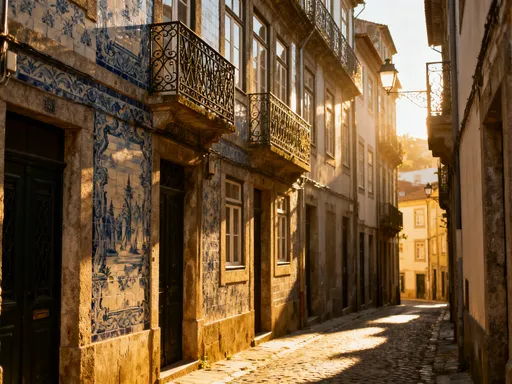
For many, the expectation is either North African intensity or Mediterranean ease. Tunis delivers both. French colonial architecture lines the avenues of the Ville Nouvelle, with wrought-iron balconies and faded pastel facades standing beside modern shops and banks. Yet just steps away, the medina’s labyrinth begins, a UNESCO World Heritage site that has pulsed with commerce and community for over a thousand years. The contrast isn’t jarring—it’s harmonious, a reflection of a city shaped by Phoenicians, Romans, Ottomans, and French, each leaving their mark without erasing what came before.
Where you choose to begin your stay matters. While the medina draws visitors with its ancient charm, it can overwhelm first-time travelers with its narrow alleys and relentless pace. Neighborhoods like Lafayette and Montplaisir offer a gentler introduction. These residential districts balance comfort and accessibility, with well-maintained hotels, quiet tree-lined streets, and easy tram connections to the city center. They’re not tourist bubbles—locals live here, shop here, and children play in the parks. Staying in such areas allows you to observe Tunisian life as it unfolds, not as it’s staged.
The real magic begins when you let go of the itinerary. Tunis rewards the unplanned. A missed tram stop might lead you to a sunlit courtyard where an elderly man repairs leather sandals the way his father did. A wrong turn could bring you to a tiny bakery where women queue for freshly baked tabouna bread, its smoky aroma filling the street. These moments—unscripted, unphotographed, and deeply human—are what make the city unforgettable. The key is to arrive with openness, not expectations. Tunis doesn’t reveal itself to those who rush; it unfolds for those who wander.
The Medina’s Hidden Corners: More Than Just a Souk
The medina of Tunis is often reduced to a shopping destination—a place to buy spices, carpets, and souvenirs. But to see it only as a souk is to miss its soul. This is a living, breathing neighborhood, home to thousands of residents, artisans, and families who have lived within its walls for generations. While tourists flock to the main thoroughfares like Souk el Attarine and Souk el Leffa, the true character of the medina lies in its back alleys, hidden courtyards, and centuries-old institutions that still function as they did in the 15th century.
Start at Al-Zaytuna Mosque, the spiritual and intellectual heart of the city. Founded in the 8th century, it was once one of the leading centers of Islamic learning in North Africa. Today, students still study theology and law in its shaded corridors, and the call to prayer resonates with a depth that seems to vibrate through the stones. But step behind the mosque, and you enter a different world—one of narrow lanes where copper artisans hammer out intricate teapots and trays, their workshops lit by bare bulbs and open to the street. The sound of metal on metal is constant, a rhythm unchanged for centuries.
Equally vital are the funduqs—historic caravanserais that once housed merchants and their goods. Though many have fallen into disrepair, some remain active, offering lodging and storage to traders from the interior. Others have been repurposed into artist studios or small guesthouses, preserving their architectural beauty while adapting to modern needs. These structures, with their central courtyards and arched galleries, speak to Tunis’s long history as a crossroads of trade between the Sahara, the Mediterranean, and the Ottoman world.
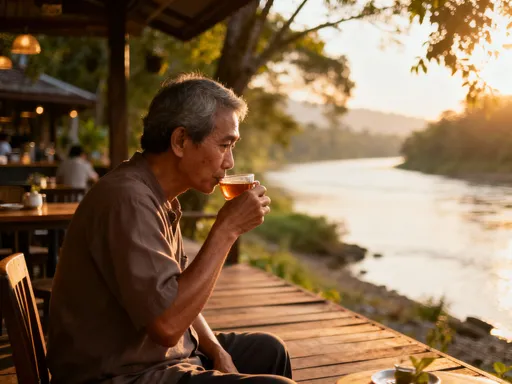
Religious life is woven into the fabric of daily routines. Neighborhood mosques, smaller than Al-Zaytuna but no less important, serve as community hubs. In the late afternoon, you’ll see men gathering for prayer, then lingering to chat. Children play football in open squares, dodging between parked motorbikes and market stalls. And in shaded courtyards, older men pass hours over backgammon boards, sipping sweet mint tea and debating everything from politics to football.
For food, skip the tourist-facing restaurants and seek out family-run fry spots tucked into side alleys. A brik—a crisp, golden pastry filled with egg, parsley, and tuna—is best eaten fresh, straight from the oil, with a squeeze of lemon. Vendors in Bab Souika and near the Ksar Mosque serve them with pride, often handing you a napkin and a smile along with your order. These small interactions—eye contact, a shared laugh, a gesture of welcome—are part of the medina’s unwritten code of hospitality.
To truly experience this world, come prepared. Wear comfortable shoes—cobblestones are uneven and often slick from morning cleaning. Carry small bills; many vendors don’t have change for larger notes. And above all, slow down. Rushing through the medina is like skimming a novel—you’ll miss the plot. Tunisians value presence, not speed. When you pause to watch a craftsman at work or accept an offer of tea from a shopkeeper, you’re not just observing culture—you’re participating in it.
Beyond the Old City: The Pulse of La Ville Nouvelle
Just beyond the Bab el Bahr gate lies La Ville Nouvelle, the “New Town” developed during the French protectorate in the late 19th and early 20th centuries. Here, the city shifts in rhythm and architecture. Wide boulevards replace narrow alleys, and neoclassical and art deco buildings stand shoulder to shoulder with modern cafes and banks. Avenue Habib Bourguiba, the city’s central artery, is often associated with political demonstrations, but for locals, it’s a place of daily life—a promenade for strolling, a meeting point for friends, and a cultural spine lined with bookshops, theaters, and government buildings.
The atmosphere is calmer, more spacious, yet unmistakably Tunisian. In the mornings, students from the nearby University of Tunis crowd sidewalk cafes, sipping espresso and flipping through textbooks. By evening, families take evening walks, children chasing each other along the central plaza. On weekends, the avenue comes alive with street performers, artists selling paintings, and vendors offering fresh juice. It’s a space of leisure and connection, not just transit.
La Ville Nouvelle isn’t a replica of Paris—it’s a Tunisian reinterpretation of European urban design. While the facades may echo Marseille or Lyon, the life within is distinctly local. Bookshops overflow with titles in Arabic, French, and sometimes Berber, reflecting the country’s multilingual identity. Cafes serve both espresso and mint tea, often on the same tray. And the pace, though more relaxed than the medina, still moves to the rhythm of Tunisian time—where appointments are fluid and conversations take precedence over schedules.
Districts like Tunis Nord and Belvédère offer quieter extensions of this urban balance. Tree-lined streets, colonial-era villas, and public parks provide breathing room without disconnecting from the city’s energy. Parc du Belvédère, perched on a hill, offers panoramic views of the city and the Mediterranean beyond. Its gardens, though modest, are meticulously maintained, and on weekends, families picnic under olive trees or ride the small train with their children.
Navigating this part of the city is straightforward. The light rail system—particularly the TGM line—connects central Tunis with coastal suburbs like Sidi Bou Said and La Marsa. Stops are clearly marked, and trains run frequently during the day. For shorter distances, walking is ideal. Unlike the medina, where orientation can be challenging, the grid layout of La Ville Nouvelle makes it easy to find your way. Still, getting lost here isn’t a mistake—it’s an invitation to discover hidden courtyards, quiet plazas, and architectural details often overlooked by guidebooks: a stained-glass window above a doorway, a mosaic floor in a public building, or a balcony wrapped in jasmine.
Neighborhood Vibes: From Bohemian Ariana to Coastal La Marsa
Tunis is not a monolith. It’s a mosaic of neighborhoods, each with its own identity, rhythm, and charm. To understand the city fully, you must move beyond the center and explore its suburbs. Ariana, to the north, is a hub of youthful energy and creative expression. Home to the University of Carthage, it pulses with students, artists, and entrepreneurs. Street art adorns building walls, indie music spills from underground cafes, and small galleries showcase contemporary Tunisian art. The weekly market is a sensory delight—spices, textiles, handmade jewelry, and fresh produce laid out in colorful rows. It’s a place of innovation, where tradition meets modernity in unexpected ways.
In contrast, La Marsa, on the northeastern coast, offers a slower, more contemplative pace. Whitewashed homes climb the hills above the port, their blue doors and shutters glowing in the Mediterranean light. The fish market is a morning ritual—fishermen unload their catch, vendors shout prices, and housewives inspect the day’s haul with practiced eyes. By midday, the waterfront cafes fill with locals sipping tea and watching the boats rock gently in the harbor.
La Marsa’s charm lies in its authenticity. It’s not a resort town; it’s a working coastal community with a strong sense of place. Families have summer homes here, and generations gather on weekends to eat fresh grilled fish and walk the seaside promenade. The cliffs offer quiet spots for reflection, and the sea breeze carries the scent of salt and wild thyme. It’s the kind of place where time feels suspended, where life unfolds at the pace of tides and meals.
Choosing where to stay depends on what you seek. For cultural immersion and easy access to the medina, a hotel in the city center or Lafayette is ideal. For a quieter, more residential feel, Montplaisir or Belvédère offer comfort and charm. Travelers drawn to art and youth culture will find Ariana invigorating, while those craving sea air and tranquility may prefer La Marsa or Sidi Bou Said. All are well-connected by public transport, making it easy to experience multiple facets of the city in a single trip.
What unites these neighborhoods is a sense of safety and accessibility. Tunis is generally safe for visitors, and public transportation is reliable. More importantly, Tunisians are accustomed to outsiders and are often eager to engage. A simple “salam alaikum” or “bonjour” can open a conversation. An offer of directions might lead to an invitation for tea. These moments of connection—brief, genuine, and unscripted—are the soul of travel in Tunis.
Street Food & Social Rhythms: Eating Like a Local
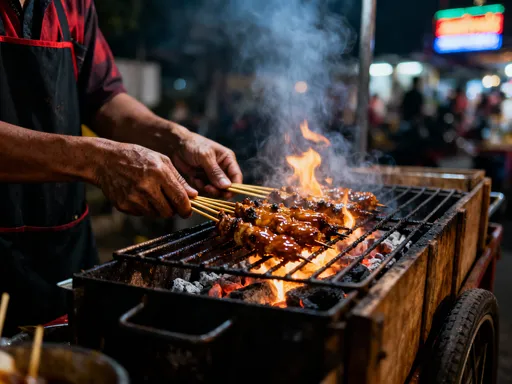
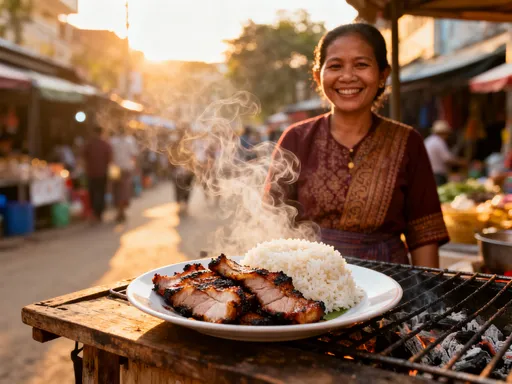
In Tunis, food is not just sustenance—it’s social currency. Meals structure the day, and street food is the lifeblood of urban culture. Unlike in cities where dining is privatized, here eating is communal, spontaneous, and deeply tied to place. The best meals aren’t found in restaurants with menus, but at standing counters, sidewalk grills, and family-run stalls that have operated for decades.
Start with the fricassé, a noontime favorite. This spicy sandwich—stuffed with tuna, olives, capers, and harissa in a crusty roll—is a burst of flavor and heat. Sold from small kiosks in Bab Souika and downtown corners, it’s the go-to lunch for workers, students, and shoppers. Eat it standing up, napkin in hand, and you’ll blend right in. Equally iconic is lablabi, a warm chickpea soup traditionally eaten in the evening or after a night out. Served in a ceramic bowl with a poached egg on top, it’s garnished with cumin, garlic, and more harissa for those who dare. Locals often eat it at communal tables, sharing space with strangers and exchanging quiet nods of approval.
Then there’s msemen, a flaky, buttery flatbread often eaten for breakfast with honey or cheese. Best enjoyed fresh from the pan, it’s sold at small stalls tucked into alleyways or near mosques. Watch the vendor stretch and fold the dough with practiced hands—it’s a performance as much as a preparation. Pair it with a glass of mint tea, sweetened to the point of syrup, and you’ve tasted the essence of Tunisian comfort.
Eating here follows an unspoken etiquette. Don’t expect menus or waiter service at most street spots. Instead, point, gesture, or repeat what others are ordering. Pay quickly, often before receiving your food. And if someone shares their table or offers you a taste, accept with gratitude. These gestures aren’t just about food—they’re about inclusion.
Mealtimes also shape social rhythms. Lunch is the main event, often stretching into the early afternoon. Dinner is lighter and later, sometimes just tea and pastries. And throughout the day, coffee and tea breaks punctuate work and conversation. In homes, offering tea is a sign of hospitality; refusing can be seen as rude. These rituals—simple, repeated, and deeply rooted—create a sense of belonging, even for visitors.
Getting Around Like a Pro: Trams, Taxis, and Foot Power
Mobility defines your experience in Tunis. The city is best explored through a mix of walking, light rail, and shared transport. The TGM line—the Tunis-Goulette-Marsa tram—is one of the most efficient ways to reach coastal suburbs. Running from the city center to La Marsa, it passes through residential neighborhoods, offering a quiet, scenic journey above ground. Tickets are inexpensive, purchased at stations, and the schedule is reliable during daylight hours.
Within the city, louages—shared taxis—are a lifeline. These nine-seater vans follow fixed routes and depart when full. They’re faster and cheaper than private taxis and offer a chance to observe daily life up close. To use one, simply stand at a known stop and signal. The destination is usually written on the windshield. Once inside, pass your fare forward—small bills only—and prepare for a bumpy but efficient ride.
Private taxis are plentiful but require awareness. Always insist on the meter being used, especially in tourist areas. If the driver refuses, walk away. Fares within the city rarely exceed a few dinars, so overcharging is both unfair and unnecessary. For longer trips or late-night travel, ride-hailing apps like Uber operate in Tunis, offering a transparent alternative.
But the most rewarding way to move is on foot. The medina, La Ville Nouvelle, and many suburbs are walkable, and every step reveals something new—a hidden mosque, a courtyard blooming with bougainvillea, a vendor selling roasted nuts. Comfortable shoes are essential, as are a water bottle and a basic map or offline app. While GPS can be spotty in narrow alleys, getting lost is not a failure—it’s part of the journey. Tunis rewards curiosity. Turn a corner, and you might find a centuries-old fountain still in use, or a group of women laughing over a card game in a doorway.
Why Urban Exploration Matters: Connecting with the Real Tunisia
Landscapes impress, but cities reveal. In Tunis, every cracked wall, every shared laugh in an alley, every call to prayer over rooftops tells a story—not of perfection, but of resilience, warmth, and continuity. This is a city that has survived empires, adapted to change, and held onto its soul. To explore it deeply is not just to see a destination, but to understand a way of life.
Urban exploration, done with respect and openness, is one of the most meaningful forms of travel. It shifts the focus from monuments to people, from photos to presence. In Tunis, you’re not just a visitor—you’re a witness to daily life, invited, however briefly, into its rhythm. You learn that hospitality isn’t performative; it’s instinctive. That tradition isn’t frozen; it’s lived. And that connection doesn’t require language—it can be a smile, a shared table, a cup of tea offered without expectation.
So come to Tunis with a map, but don’t be ruled by it. Plan your stay, but leave room for the unplanned. Seek beauty, but also seek depth. Let the alleys guide you, the scents lead you, the people welcome you. In losing your way, you might just find what you didn’t know you were looking for—the joy of wandering, the grace of human connection, and the quiet truth that some of the world’s richest experiences aren’t found in guidebooks, but in the spaces between them.