Taste of the Wild: How Galápagos Food Culture Surprised Me
You know what? The Galápagos isn’t just about giant tortoises and lava fields—its food scene is a quiet revelation. I went expecting basic seafood plates, but instead found a vibrant mix of coastal Ecuadorian flavors, sustainable fishing traditions, and island-grown ingredients that tell a deeper story. This is more than dining—it’s a taste of place, culture, and conservation. Let me take you where few travelers look: the real, flavorful heart of the islands.
First Impressions: What You Don’t Expect About Galápagos Dining
Travelers often arrive in the Galápagos with modest expectations when it comes to food. After all, the islands are a protected ecological sanctuary, not a culinary hotspot. Many assume meals will be simple, repetitive, and designed solely for tourist convenience—pre-packaged sandwiches, overcooked rice, and frozen fish fillets served with a side of regret. But those who take the time to look beyond the obvious discover something quietly remarkable: a food culture shaped by isolation, resilience, and deep respect for nature.
In towns like Puerto Ayora on Santa Cruz Island and Puerto Baquerizo Moreno on San Cristóbal, you’ll find the usual array of tourist-oriented cafes and souvenir-lined eateries. These spots cater to cruise passengers with predictable menus featuring burgers, pasta, and generic seafood platters. Yet tucked between them are small, unassuming restaurants where the aroma of garlic, lime, and grilled fish fills the air. These are the places where locals eat—where the rhythm of daily life is tied not just to tide patterns, but to what was pulled from the sea that morning.
The Galápagos Islands’ geographic remoteness means that nearly everything must be imported—from fuel to flour. This logistical challenge has led to a culture of resourcefulness. Chefs and home cooks alike rely on what is available, favoring fresh, local ingredients over convenience. The result is a cuisine that feels honest, unpretentious, and deeply connected to its environment. There’s no room for waste, no space for excess. Every ingredient has value, every meal carries intention.
What surprised me most was how much the food reflects the same principles that guide conservation efforts across the archipelago: sustainability, balance, and respect for natural cycles. Dining here isn’t just about nourishment; it’s an extension of the islands’ ecological philosophy. When you eat in the Galápagos, you’re not just tasting food—you’re tasting a way of life.
The Heart of the Plate: Signature Dishes You’ll Actually Want to Try
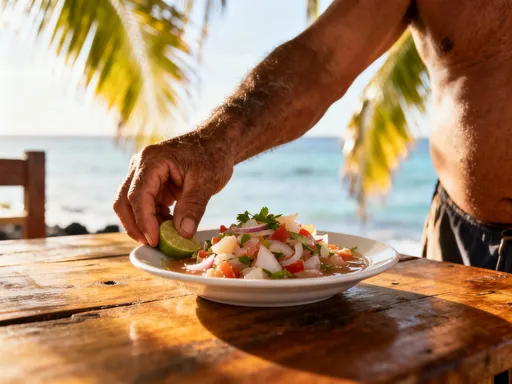
If there’s one dish that captures the soul of Galápagos cuisine, it’s ceviche de corvina. Made with firm white snapper caught fresh each morning, marinated in tangy lime juice, mixed with finely chopped red onion, cilantro, and a touch of ají—Ecuador’s mild green chili—this dish is a celebration of simplicity. Served alongside crispy chifles, or fried green plantain chips, it delivers a perfect balance of acidity, salt, and crunch. It’s not fancy, but it’s unforgettable. The fish is so fresh it almost tastes like the ocean itself has been bottled and seasoned.
Another cornerstone of local dining is encocado, a rich and aromatic fish stew made by simmering freshly caught seafood in coconut milk, garlic, onions, and spices. The creamy broth clings to tender chunks of fish, often served over boiled yuca or a small mound of rice. On some islands, cooks add a splash of local herbs or a hint of roasted pepper, giving each version a subtle regional twist. Encocado isn’t just comfort food—it’s a legacy dish, passed down through generations of coastal families who have lived off the sea for centuries.
While seafood dominates, the Galápagos also offers simple but satisfying plant-based options. Yuca frita, or fried cassava, is a common side, its golden crust giving way to a soft, starchy interior. Plátano maduro, sweet fried plantains, adds a touch of natural sweetness to any meal. Salads may seem basic—typically lettuce, tomato, and cucumber—but when grown in the highlands and dressed with a squeeze of fresh lime, they taste brighter and more alive than anything found in supermarkets back home.
What makes these dishes special isn’t complexity—it’s authenticity. There’s no attempt to impress with molecular gastronomy or imported truffles. Instead, the focus is on letting the ingredients speak for themselves. A meal here feels like a conversation with the land and sea, where every bite tells a story of tides, sunshine, and human care. For visitors willing to step off the tourist path, these dishes offer a genuine connection to the islands’ cultural heartbeat.
From Ocean to Table: The Role of Sustainable Fishing
The Galápagos Marine Reserve is one of the most protected ocean areas in the world, covering over 130,000 square kilometers of rich, biodiverse waters. Within this reserve, fishing is strictly regulated to protect endangered species and maintain ecological balance. Only small-scale, artisanal fishing is permitted, and only for local consumption. This means that the fish on your plate was likely caught within sight of the shore, using hand lines or small nets, by fishers who know the waters intimately.
These fishers operate under clear rules: no industrial trawling, no harvesting of protected species like sea turtles or sharks, and strict limits on catch sizes and seasons. The system isn’t perfect, but it reflects a deep commitment to long-term stewardship. Many restaurants now proudly display signs indicating they serve only sustainably sourced seafood. Some even list the names of the fishers or boats that supplied their catch, turning transparency into a point of pride.
Because of these restrictions, menus change daily. You won’t find a fixed menu offering swordfish every night—what’s available depends entirely on what was caught that morning. This unpredictability is part of the experience. It forces diners to embrace flexibility, to let go of expectations, and to trust the rhythm of the sea. It’s a reminder that nature sets the pace, not convenience.
This farm-to-table rhythm—more accurately, “ocean-to-table”—is rare in mass tourism, where consistency often trumps ethics. In the Galápagos, the opposite is true. Choosing a restaurant that supports sustainable fishing isn’t just a dining decision—it’s an act of environmental solidarity. By eating this way, visitors help sustain local livelihoods while reducing pressure on fragile marine ecosystems. It’s a small choice with quiet but meaningful impact.
Hidden Kitchens: Where Locals Eat (Not Where Tourists Go)
If you want to taste the real Galápagos, skip the waterfront tourist restaurants with their overpriced cocktails and plastic menus. Instead, head to the backstreets of Puerto Ayora, where family-run fondas—small, informal eateries—serve hearty, affordable meals to fishers, farmers, and schoolteachers. These places don’t have websites or Instagram pages. They might not even have chairs. But they have soul.
One such spot, tucked behind the Mercado Artesanal, serves a daily lunch special: a plate of encocado, yuca, rice, and a fresh salad for less than five dollars. The cook, Doña Rosa, has been preparing meals in this kitchen for over thirty years. Her hands move quickly, effortlessly, as she stirs a bubbling pot of coconut fish stew. She doesn’t speak much English, but her smile says everything. When I complimented the food, she simply nodded and said, “It’s how my mother taught me.”
These hidden kitchens are more than places to eat—they’re community hubs. Men in fishing gear share tables with women carrying woven bags of produce. Children dart between tables, chasing each other while elders sip cold beers and swap stories. The air hums with laughter and the clatter of plates. There’s no pretense, no performance. Just real life, unfolding in real time.
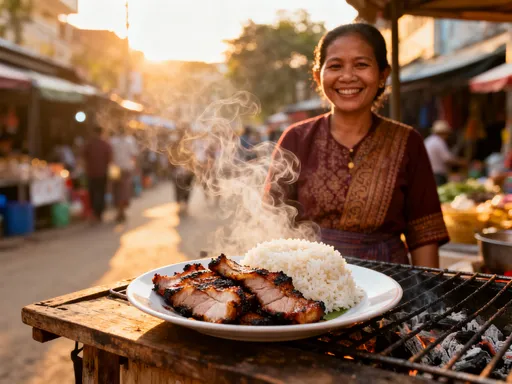
Some of these fondas operate out of converted homes, with plastic tables set up in courtyards shaded by banana trees. Others are little more than stalls in open-air markets, where you order at a counter and eat standing up. The food is generous, the portions large, the flavors bold. This is not “ethnic cuisine” curated for foreign palates—it’s everyday food, made with care, for people who live here.
For travelers, eating in these spaces is a gift. It’s a chance to move beyond observation and into participation. When you sit at one of these tables, you’re not just a visitor—you’re a guest. And in that simple shift of perspective, a deeper connection begins to form.
Farming Against the Odds: How the Highlands Feed the Islands
While the ocean provides much of the protein in the Galápagos diet, the islands’ highlands play a crucial role in feeding the population. On Santa Cruz and San Cristóbal, pockets of fertile volcanic soil and higher rainfall create microclimates where small-scale agriculture is possible. Here, farmers cultivate organic greens, tomatoes, cucumbers, bananas, papayas, and even coffee. These farms, often no larger than a few acres, are lifelines in a place where importing fresh produce is costly and carbon-intensive.
One of the most well-known agricultural zones is the Scalesia forest region on Santa Cruz, named after the unique tree species that thrives in the misty highlands. Within this zone, family farms grow a variety of crops using sustainable methods. Many avoid synthetic pesticides and fertilizers, relying instead on compost, crop rotation, and natural pest control. The result is produce that not only tastes better but also aligns with the islands’ conservation values.
Farming here is not easy. Freshwater is limited, and droughts can be devastating. Invasive plant species threaten native ecosystems, and land use is tightly regulated to protect wildlife habitats. Farmers must navigate these challenges with ingenuity and patience. Yet their work is essential. Without them, the islands would be even more dependent on mainland shipments, increasing both cost and environmental impact.
Some eco-lodges and local restaurants have begun sourcing directly from these farms, creating a farm-to-fork cycle that benefits everyone. Guests enjoy fresher, more flavorful meals, farmers receive fair compensation, and the environment gains from reduced transportation emissions. A tomato grown in the highlands and eaten the same day in a nearby restaurant isn’t just delicious—it’s a quiet act of resistance against the industrial food system.
Visitors can support this movement by taking farm tours, buying produce at local markets, or choosing accommodations that highlight regional ingredients. These experiences go beyond sightseeing; they offer a tangible way to engage with the islands’ sustainability efforts. When you taste a banana grown in volcanic soil under the equatorial sun, you’re not just eating fruit—you’re tasting resilience.
Flavors with a Purpose: How Food Supports Conservation
In the Galápagos, food is more than sustenance—it’s a tool for education and empowerment. Naturalist guides, who lead most visitor excursions, often weave lessons about sustainable eating into their talks. They explain how choosing local seafood reduces carbon emissions, how avoiding plastic helps protect marine life, and how supporting small businesses strengthens the local economy. These messages aren’t preachy; they’re practical, grounded in daily reality.
Community-based initiatives are also using food to teach the next generation. On San Cristóbal, a youth program run by a local environmental group teaches teenagers how to prepare traditional dishes using ingredients from sustainable sources. The goal isn’t just culinary skill—it’s cultural preservation and ecological awareness. By cooking with their grandparents’ recipes, young people reconnect with their heritage while learning why it matters to protect the environment that makes those ingredients possible.
Some schools have started garden projects where students grow vegetables and learn about composting and water conservation. These gardens double as outdoor classrooms, where lessons about biology, nutrition, and responsibility come to life through hands-on experience. When a child harvests a tomato they planted months earlier, they don’t just see food—they see effort, growth, and connection.
Even tourism operators are getting involved. Cruise ships and land-based tours increasingly emphasize regional cuisine, training their chefs to work with local suppliers and seasonal availability. Some have eliminated single-use plastics, replaced imported goods with island-grown produce, and added educational talks about food systems to their itineraries. These changes may seem small, but collectively, they shift the culture of tourism toward greater responsibility.
When visitors eat with intention—choosing local, minimizing waste, respecting limits—they become part of a larger story. They help sustain a model where conservation and community go hand in hand. In a place as fragile and precious as the Galápagos, every choice matters. And every meal can be a quiet act of care.
Planning Your Culinary Journey: Practical Tips for Travelers
To truly experience Galápagos food culture, you’ll need to adjust your expectations. This isn’t a destination for gourmet indulgence or endless dining choices. It’s a place where meals follow nature’s rhythm, not a printed menu. The key is flexibility. Be willing to eat what’s available, try dishes you’ve never heard of, and embrace the occasional simplicity of a meal built around three ingredients.
Start your day at a local market. Arrive early, when vendors are unpacking crates of fresh fish, pyramids of ripe mangoes, and bundles of leafy greens. Watch how locals inspect the catch, smell the fish, and negotiate prices. Don’t be afraid to ask questions—many vendors are happy to explain what’s in season or recommend how to prepare a particular fish. Some markets even have small kitchens where you can order a hot breakfast of empanadas, coffee, and fried plantains.
Ask your guide for restaurant suggestions. They know which places source locally, which chefs prioritize sustainability, and which hidden fondas serve the best ceviche. Their recommendations often lead to the most authentic experiences. If you’re staying on a cruise, inquire about the ship’s food sourcing policies. Choose operators that emphasize local ingredients and responsible practices.
When dining, avoid overordering. Portions in local restaurants are often generous, and wasting food goes against the islands’ values of conservation and respect. Carry a reusable water bottle and say no to plastic straws and bags. These small habits align your behavior with the culture of care that defines life in the Galápagos.
Finally, be curious. Try a dish made with octopus, sample a coffee grown in the highlands, or accept an invitation to share a meal with a local family. These moments of connection are often the most memorable parts of a trip. They remind us that travel isn’t just about seeing new places—it’s about understanding them, one bite at a time.
A Deeper Way to Connect With the Islands
Tasting the Galápagos is not a side activity—it’s a path to understanding. Every bite carries the salt of the Pacific, the sun of the equator, and the care of people protecting their home. When we eat like locals, we don’t just feed ourselves—we become part of a story of balance, respect, and flavor that’s as rare as the wildlife itself. The islands teach us that beauty and survival are intertwined, that conservation is not just about protecting animals, but about honoring the entire web of life—including how we eat. In a world of fast food and distant supply chains, the Galápagos offers a different model: slow, intentional, and deeply connected. To taste it is to remember what truly nourishes us.