Chasing Light and Lava: Iceland’s Golden Circle Like You’ve Never Seen It
Iceland’s Golden Circle isn’t just a tourist trail—it’s a front-row seat to Earth’s raw artistry. I never expected glacial rivers, thundering waterfalls, and cracking tectonic plates to coexist in one day trip. Every bend in the road reveals landscapes so sharp and surreal, they look edited—but they’re 100% real. If you’re chasing unforgettable shots and soul-stirring nature, this is where your journey begins. More than 1.5 million visitors travel this 300-kilometer loop each year, drawn by its powerful geology and ethereal light. Yet even with its popularity, the Golden Circle retains a sense of wildness, a feeling that you’re standing at the edge of creation itself. For women who seek meaningful travel—where beauty meets depth—this route offers not just scenery, but transformation.
The Golden Circle Unpacked: More Than Just a Route
The Golden Circle is more than a scenic drive—it’s a geological story told through three iconic stops: Þingvellir (Thingvellir) National Park, the Geysir geothermal area, and Gullfoss Waterfall. Each location reveals a different force shaping Iceland’s dramatic terrain: tectonic movement, volcanic heat, and glacial power. Together, they form a loop easily accessible from Reykjavík, making it a popular day trip. Yet its convenience does not dull its impact. The route traces ancient landscapes where Earth’s crust is literally pulling apart, where hot springs burst without warning, and where rivers plunge with thunderous force into deep canyons. This is nature unfiltered, unedited, and unforgettable.
What sets the Golden Circle apart is how it balances accessibility with awe. Unlike remote wilderness treks requiring weeks of planning, this journey can be experienced in a single day, often without leaving the paved road. Yet the sights feel otherworldly. The contrast between Iceland’s green moss-covered lava fields and the gray-blue of glacial rivers creates a palette found nowhere else. The air carries a crisp, clean scent, tinged with sulfur near the geothermal zones—a reminder that you are walking above an active volcanic zone. For women managing busy households and careers, this kind of journey offers a rare gift: profound beauty within reach.
Photographers and travelers alike return again and again, not because they missed something the first time, but because the light changes, the weather shifts, and the land reveals new moods. In summer, the midnight sun casts a golden glow for hours. In winter, snow blankets the fissures and ice rims the waterfalls, turning familiar sights into frozen dreams. The Golden Circle is not static. It breathes, shifts, and evolves with the seasons, offering a fresh experience no matter when you visit.
Thingvellir: Where Continents Drift Apart
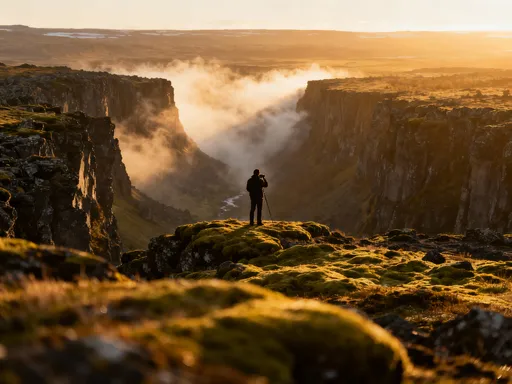
At Þingvellir National Park, you stand where two worlds slowly pull apart. This UNESCO World Heritage Site marks the boundary between the North American and Eurasian tectonic plates, which drift away from each other at a rate of about two centimeters per year. The visible rift—a deep, moss-lined crack in the Earth—is both humbling and mesmerizing. Walking along the path through Almannagjá gorge, you can see the raw edges of the planet’s crust, exposed like the pages of a geology textbook. The scale is immense, yet the details are delicate: emerald-green moss clings to basalt walls, and clear meltwater pools reflect the sky like mirrors.
One of the most photographed features here is the Silfra fissure, a submerged crack filled with some of the clearest freshwater on Earth. Though diving or snorkeling in Silfra requires special tours and preparation, even viewing it from the surface is breathtaking. The water, filtered through underground lava fields for decades, has visibility exceeding 100 meters. On calm days, the surface becomes a glassy plane, doubling the surrounding cliffs and sky in perfect symmetry. For photographers, this is a dream—a natural frame where light, water, and rock converge in harmony.
Thingvellir is also steeped in history. It was here, in 930 AD, that Iceland’s ancient parliament, the Alþingi, was established—the oldest surviving representative assembly in the world. Standing in the same valley where laws were declared and disputes settled for centuries adds a layer of human resonance to the natural drama. You’re not just witnessing geological forces; you’re walking through a living chronicle of resilience and community. For women who value both beauty and meaning, this blend of nature and heritage makes Thingvellir especially powerful.
Geysir: Nature’s Pulse in Real Time
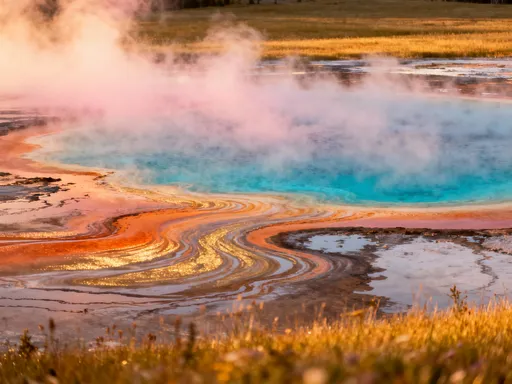
The Geysir geothermal area pulses with energy. Steam rises from the ground like whispers from the Earth’s core, and the scent of sulfur lingers in the air—a reminder that you are standing above molten rock. Though the original Great Geysir now erupts only occasionally, its younger neighbor, Strokkur, performs like clockwork. Every five to ten minutes, a column of boiling water shoots 15 to 30 meters into the air, drawing gasps and camera clicks from onlookers. There’s something thrilling about watching nature on a timer—predictable, yet never dull.
Strokkur is a favorite among photographers for its dynamic movement. Capturing the exact moment of eruption requires timing and patience, but even blurred motion shots convey the power and rhythm of the geyser. The surrounding area offers additional textures: bubbling mud pots gurgle and pop, their surfaces cracking and reforming like living skin. Fumaroles vent steam in steady streams, creating ghostly columns that twist in the wind. These details invite close-up shots, allowing travelers to capture not just the grand spectacle, but the intricate life of the geothermal field.
Safety is maintained with wooden walkways and clear signage, ensuring visitors can explore without risk. Yet the raw energy remains palpable. On cooler days, the contrast between the steaming vents and the crisp air creates a dreamlike atmosphere, with mist curling around boots and camera lenses. For women seeking a balance of safety and adventure, the Geysir area delivers—offering excitement without compromise. It’s a place where science and wonder meet, where children and adults alike lean over railings, eyes wide, waiting for the next burst.
Gullfoss: When Water Meets Power
Gullfoss, or the “Golden Falls,” is a masterpiece of motion and might. The Hvítá River, fed by the Langjökull glacier, hurtles toward a narrow canyon and plunges in two dramatic stages—one 11 meters high, the other 21 meters. The resulting roar is constant, a deep thunder that vibrates in your chest. Mist rises like a living cloud, often forming rainbows when the sun breaks through. The falls are framed by dark basalt columns, their hexagonal shapes a testament to ancient volcanic cooling. This contrast—between the white fury of water and the black stillness of rock—creates one of Iceland’s most photographed scenes.
What makes Gullfoss so compelling is its raw power combined with compositional elegance. Wide-angle lenses capture the full sweep of the falls and canyon, while telephoto shots isolate the churning water or the delicate spray catching sunlight. In summer, the river swells with glacial melt, turning the cascade into a force of nature. In winter, ice forms along the edges, and the falls sometimes freeze into surreal sculptures, their power slowed but not silenced. The viewing platforms offer multiple vantage points, allowing photographers to experiment with perspective and depth.
Lighting plays a crucial role in how Gullfoss appears. At midday, the falls can be overexposed, the details lost in glare. But during the golden hour—just after sunrise or before sunset—the light turns warm and soft, gilding the mist and highlighting the texture of the rock. On cloudy days, the mood shifts to dramatic and moody, perfect for black-and-white photography. For women who appreciate both spontaneity and planning, Gullfoss rewards those who wait for the right moment. It teaches patience, reminding us that beauty often reveals itself in time.
Hidden Gems Beyond the Big Three
While the three main stops draw the crowds, the true magic of the Golden Circle often lies in the detours. Just off the main road, Kerið volcanic crater offers a quieter, more intimate experience. This collapsed magma chamber, formed about 6,500 years ago, features a deep red volcanic cone surrounding a serene blue lake. A path circles the rim, offering panoramic views and unique photo angles. Unlike the bustling sites, Kerið often feels peaceful, a place to pause and reflect.
Other lesser-known stops include small farms where Icelandic horses and black-tailed sheep graze under vast skies. These animals, adapted to the harsh climate, add life and character to the landscape. A lone sheep standing on a hill, framed by clouds and lava fields, can become the most memorable image of the trip. Local farm stands sometimes offer fresh lamb soup or rye bread, baked in geothermal ground—simple pleasures that connect you to Icelandic daily life.
Another quiet spot is Faxi (Vatnsleysufoss), a smaller waterfall on the Tungufljót River. Without the crowds of Gullfoss, Faxi allows for leisurely exploration and unobstructed shots. Salmon often swim upstream here, and the surrounding meadows are lush in summer. These hidden places don’t require extra time or effort, just a willingness to look beyond the guidebook. For women who value authenticity and solitude, these moments off the beaten path can become the heart of the journey.
Shooting the Circle: Light, Seasons, and Settings
Capturing the Golden Circle well means understanding light and timing. In summer, the sun barely sets, offering extended golden hours. The soft, low light in the evening enhances textures and colors, especially on moss-covered lava fields and waterfalls. A tripod is essential for long exposures, turning rushing water into silky flows and mist into dreamy veils. Polarizing filters help reduce glare on wet surfaces and deepen the sky, making clouds and rainbows pop.
Winter brings a different kind of beauty. With only a few hours of daylight, timing is critical. But when the light comes, it’s golden and fleeting, casting long shadows and warm tones across snow-covered landscapes. The northern lights sometimes dance above the Golden Circle on clear, dark nights, adding a celestial layer to your images. Dressing in warm, layered clothing is a must, as is protecting your gear from moisture and extreme cold. Battery life drops quickly in the cold, so carrying spares in an inner pocket keeps them functional.
Camera settings should adapt to the scene. For waterfalls, use shutter speeds between 1/4 and 2 seconds to blur water smoothly. For geysers, switch to faster speeds—1/500 or higher—to freeze the eruption. Wide-angle lenses (16-35mm) excel at capturing vast landscapes, while mid-range zooms (24-70mm) handle details and portraits of local life. But even a smartphone can produce stunning results with careful framing and natural light. The key is not the gear, but the eye behind it—seeing not just what is there, but what it means.
For women balancing travel with family responsibilities, packing smart is essential. A lightweight backpack with a rain cover, extra memory cards, and a portable charger can make all the difference. Traveling with a small group or guided tour adds safety and ease, especially in winter. But solo exploration is also safe and rewarding, with well-marked roads and helpful locals. The Golden Circle welcomes all kinds of travelers, not just the adventurous, but those seeking peace, beauty, and a deeper connection to the Earth.
Why This Journey Stays With You
The Golden Circle does more than impress—it transforms. Standing at the edge of a tectonic rift, watching a geyser erupt, or feeling the mist of a glacier-fed waterfall, you become aware of forces far greater than yourself. These landscapes are not just beautiful; they are alive, shifting, breathing. They remind us that the Earth is not a static backdrop, but a dynamic, ever-changing home. For women who nurture families and manage homes, this kind of experience offers renewal—a chance to step outside daily routines and reconnect with something ancient and enduring.
The images you bring back are more than photographs. They are memories etched in light and water, reminders of a place where nature speaks in thunder and silence. They tell a story not just of where you went, but of how you felt—small in the best way, humbled by beauty, inspired by resilience. The Golden Circle doesn’t ask for much: just your attention, your presence, your willingness to look closely.
So if you’ve been waiting for the right moment to travel, to step into a world of fire and ice, now is the time. You don’t need to be an expert photographer or an extreme adventurer. You only need curiosity and an open heart. Pack your lens, not just your suitcase. Let the light guide you. Let the land speak. The Earth is waiting to be seen—and you are ready to see it.