Savoring Surabaya: Where Flavor Meets the Street
Surabaya, Indonesia’s vibrant second city, pulses with energy—and its food scene is no exception. From sizzling street carts to hidden warungs only locals know, the city serves up bold flavors that tell stories of culture, history, and community. I hit the pavement to uncover the real taste of Surabaya, not through glossy restaurants, but where the locals eat: loud, messy, and absolutely unforgettable. This is street food with soul. More than just sustenance, Surabaya’s culinary landscape reflects the rhythm of daily life, where every bite carries the warmth of tradition and the pulse of urban resilience. For travelers seeking authenticity, the streets offer not only flavor but connection—a chance to experience a city through its most honest expression: what it eats.
The Heartbeat of Surabaya: Food as Urban Identity
Surabaya does not present itself as a polished postcard city. Its charm lies not in manicured plazas or luxury boutiques but in the symphony of motorbikes weaving between food carts, the clatter of metal bowls, and the scent of grilled meat mingling with sweet soy sauce rising from open-air stalls. Unlike Bali or Yogyakarta, where tourism shapes much of the food experience, Surabaya’s culinary culture remains rooted in local habit and necessity. Here, food is not a performance for visitors—it is the lifeblood of the city’s rhythm. The morning begins with steam rising from *nasi kucing* stands—tiny portions of rice served with fried anchovies, tempeh, and chili paste, named for their original size fit for a cat’s meal. By midday, office workers crowd around *lontong balap* vendors, where compressed rice cakes swim in savory broth alongside fried tofu, bean sprouts, and crispy shallots. Late into the night, the scent of charcoal grills draws families and students to *sate klatak* stalls, where skewers of goat meat sizzle over open flames.
What makes this rhythm unique is its unpretentious authenticity. There are no staged cooking demonstrations or menu translations for foreigners—just people eating what they love, where they’ve always eaten it. Street vendors are not performers; they are neighbors, parents, and small business owners who have spent decades perfecting their craft. Their carts and warungs often occupy the same corners for generations, becoming landmarks in their own right. This deep integration of food into daily life reveals how Surabaya defines itself not by monuments or museums, but by the shared experience of eating together. It’s a city that measures time not by clocks but by meals—breakfast at the corner cart, lunch after prayer, dinner under the stars with friends.
The social role of street vendors extends beyond nourishment. They are community anchors—places where news is exchanged, friendships formed, and family traditions passed down. A grandmother might send her grandson to the same *bakso* stall every Friday, just as she did decades ago. A student might study for exams at a plastic table while sipping *teh tawar*, the unsweetened iced tea that cools the tropical heat. In this way, food becomes memory, and flavor becomes identity. Surabaya’s cuisine stands out in Indonesia’s rich culinary mosaic not because it is the most refined, but because it is the most real—a reflection of a city that values strength, simplicity, and connection.
Must-Try Street Eats: A Taste of Real Surabaya
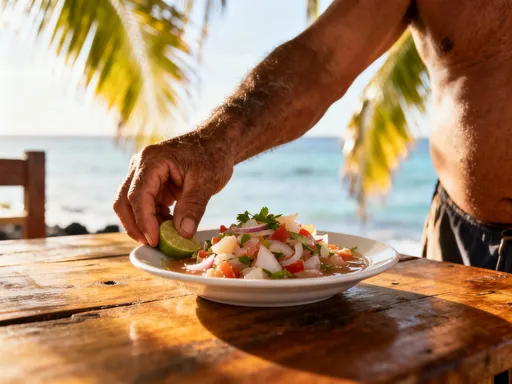
To taste Surabaya is to embrace bold contrasts—sweet and sour, soft and crunchy, familiar and unexpected. Among the city’s most iconic dishes is *Rujak Cingur*, a salad unlike any other. At first glance, it appears to be a mix of fruits and vegetables—mango, pineapple, cucumber, and cabbage—but the surprise lies in the inclusion of *cingur*, or boiled cow snout, which adds a rich, gelatinous texture. Tossed in a thick, spicy peanut sauce with shrimp paste and palm sugar, the dish balances tanginess, heat, and umami in a single bite. Often topped with *kerupuk* (crackers) for crunch, *Rujak Cingur* is a testament to Surabaya’s culinary courage—its willingness to combine the unexpected into something deeply satisfying. Locals often eat it mid-morning, pairing it with *es degan*, young coconut water served in the shell, to cut through the richness.
Another essential experience is *Lontong Balap*, a hearty dish whose name literally means “racing rice cake”—a nod to the speed at which vendors assemble it. The base is *lontong*, rice compressed in banana leaves and sliced into rounds, served with fried tofu, lentho (mashed bean fritters), bean sprouts, and a savory soy-based broth. The dish is finished with sweet fermented soybean paste (*taoco*), fried shallots, and sambal. The result is a comforting, texturally complex meal that warms the stomach and satisfies hunger for hours. One of the most respected spots for *Lontong Balap* is Lontong Balap Pak Gendut, a decades-old stall in the city center where lines form before sunrise. The vendor’s consistency and quality have earned it a loyal following, proving that in Surabaya, reputation is built one bowl at a time.
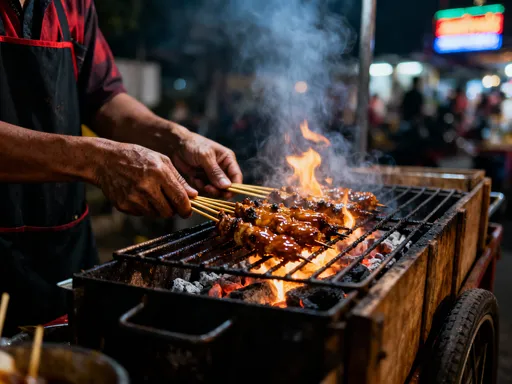
For meat lovers, *Sate Klopo* offers a uniquely East Javanese twist on the national favorite. Unlike typical satay, these skewers are coated in a mixture of grated coconut and spices before grilling, giving the meat a smoky, slightly sweet crust. Served with a side of *kecap manis* (sweet soy sauce) and a sprinkle of fresh coconut, the dish is both aromatic and deeply flavorful. The coconut doesn’t burn but caramelizes, creating a crisp outer layer that contrasts with the tender goat or chicken inside. Best enjoyed hot off the grill, *Sate Klopo* is often found at night markets and roadside grills, where the aroma alone is enough to draw people in. These dishes are not just meals—they are edible stories of Surabaya’s history, shaped by trade, migration, and local ingenuity.
Following the Locals: Off-the-Beat Path Food Hubs
If you want to eat like a Surabayan, put away the guidebook and follow the flow of people after work. The best food is rarely found in shopping malls or tourist zones but in clusters of warungs tucked into residential neighborhoods or along side streets. One such gem is Pusat Kuliner Tambakrejo, a local food center that opens in the evening and buzzes with energy until late. Rows of small stalls serve everything from *bakso* to *nasi goreng jawa* to *es campur*, a sweet iced dessert with jelly, fruit, and condensed milk. The seating is simple—plastic stools, shared tables, and often no air conditioning—but the atmosphere is warm and communal. Families sit together, friends laugh over shared plates, and strangers become temporary companions at long tables.
Another hidden favorite is Gembel Street Night Market, known locally as Pasar Gembel. Despite the name, which translates to “Beggar Street,” the market is anything but poor in flavor. Open from late afternoon until midnight, it transforms a quiet residential lane into a bustling culinary alley. Vendors specialize in specific dishes—some only sell *pisang goreng* (fried bananas) in various styles, while others focus on *martabak* (stuffed pancake) or *soto ayam*. The key to navigating Gembel Street is observation: watch where the locals queue, listen for the sizzle of meat on the grill, and don’t be afraid to point at what looks good. Ordering is often nonverbal—vendors understand hunger better than language. Bring small bills, as change can be hard to come by, and be ready to eat quickly; turnover is high, and seats are always in demand.
Eating like a local also means adopting local customs. Most street food is eaten with the right hand, especially dishes like *rujak* or *sate*, where utensils are impractical. Don’t be surprised if you’re handed a wet wipe instead of a napkin—hygiene is maintained, but in a practical, no-frills way. Drink *es jeruk kunci*, a lime juice made from small Javanese limes, to refresh your palate between bites. The experience is immersive: hot, loud, and alive. There’s no stage, no performance—just real people eating real food in a city that doesn’t slow down.
The Rise of the Foodie Influencer in Surabaya
In recent years, Surabaya’s food scene has undergone a quiet transformation, driven not by chefs or critics but by smartphones and social media. Local food influencers—often young residents with a passion for eating and documenting—have turned obscure warungs into overnight sensations. A single Instagram post featuring a golden-brown *pisang goreng* drizzled with chocolate and cheese can draw lines that stretch around the block. TikTok videos of sizzling *bakso* being ladled into steaming bowls go viral, attracting visitors from Jakarta and Bandung. These digital tastemakers have democratized food discovery, allowing hidden gems to shine without the need for advertising or fancy signage.
Yet this visibility comes with challenges. Some vendors, unprepared for sudden fame, struggle to maintain quality under pressure. Long lines can lead to rushed preparation, and the charm of a quiet neighborhood spot can be lost in the crowd. In some cases, prices rise slightly to meet demand, though most remain affordable. There is also the risk of over-commercialization—when a beloved local stall moves into a food court or starts selling packaged versions of its sauce, something intangible is lost. The intimacy, the personal connection between vendor and customer, can fade.
Still, the influence of social media has largely been positive. It has preserved traditional recipes by drawing attention to aging vendors whose skills might otherwise go unnoticed. It has empowered women-run warungs to gain recognition, many of which have been operating for decades without formal branding. And it has encouraged younger generations to take pride in their culinary heritage. The balance lies in mindful consumption—visiting viral spots without ignoring the quieter ones, celebrating popularity while respecting authenticity. For travelers, this means using social media as a starting point, not an endpoint. Let the influencers guide you, but then explore beyond their posts, seeking out the unphotographed corners of Surabaya’s food world.
From Street to Plate: The Making of a Signature Dish
Behind every bowl of *Rujak Cingur* is a morning of meticulous preparation. Long before the first customer arrives, vendors are already at work—boiling cow snouts until tender, peeling them carefully, and slicing them into thin strips. The process is labor-intensive and requires skill; the meat must be clean, soft, and free of any unpleasant odor. Nearby, a mortar and pestle grind roasted peanuts into a rich paste, while shallots, garlic, and chilies are fried to deepen their flavor. Tamarind and palm sugar are mixed in to create the signature tangy-sweet base, and a touch of shrimp paste adds depth. This sauce is not made in batches but fresh daily, sometimes multiple times a day, to ensure peak flavor.
The assembly is an art. A plate is layered with sliced fruits and vegetables—green mango for tartness, cucumber for crunch, pineapple for sweetness—then topped with the sliced *cingur*. The peanut sauce is poured generously over the top, and a final sprinkle of *kerupuk* adds texture. Every vendor has their own variation: some add boiled egg, others include tofu or tempeh. The key is balance—no single flavor should overpower the others. Watching a skilled vendor prepare *Rujak Cingur* is to witness culinary precision disguised as simplicity. Their hands move quickly, confidently, shaped by years of repetition.
Hygiene is taken seriously, even in open-air settings. Most reputable vendors use clean chopping boards, cover ingredients, and keep hand sanitizer nearby. Ingredients are sourced daily from local markets—fresh produce, high-quality meat, and homemade condiments. The physical demands are significant: standing for hours, handling heat, managing crowds. Yet these vendors take pride in their work, knowing they are feeding not just bodies but community. To eat their food is to honor their effort, to recognize that affordability does not mean lack of care. The next time you enjoy a street dish in Surabaya, remember the hands that made it—the early mornings, the careful preparation, the quiet dedication behind every bite.
Practical Tips for the Culinary Explorer
For many travelers, especially those new to Southeast Asian street food, the abundance of options can be both exciting and intimidating. The good news is that Surabaya’s food scene is generally safe and accessible, especially with a few smart practices. First, assess hygiene visually: look for stalls with high turnover, clean surfaces, and vendors who handle food with tongs or gloves. A busy warung is usually a good sign—fresh ingredients are used quickly, and the food is cooked to order. Avoid raw or undercooked meats, and be cautious with dishes containing raw eggs or unpasteurized dairy, though these are rare in traditional Surabayan cuisine.
Carry a small kit: wet wipes, hand sanitizer, and tissue are essential, as restrooms may not always be nearby. Small bills are preferred—many vendors cannot break large notes, and digital payments, while growing, are still not universal. When trying spicy dishes like *sambal* or *rujak*, start with a small amount and adjust gradually. Drink bottled or filtered water, and opt for sealed beverages when possible. Fresh juices like *es jeruk kunci* are usually safe if served with ice made from purified water, which most reputable vendors use.
Timing matters. Visit food markets in the late afternoon or early evening, when food is freshly prepared and the heat of the day begins to fade. Avoid eating at stalls that have been sitting out for hours, especially in humid weather. Portion sizes are often generous, so consider sharing dishes to sample more without waste. Don’t hesitate to point or use simple phrases like “ini” (this) or “satu” (one) when ordering. Translation apps can help, but a smile and a willingness to try go a long way. Most importantly, eat with curiosity and respect—this is not fast food, but slow culture served on a plate.
Why Surabaya’s Food Scene Matters Beyond Taste
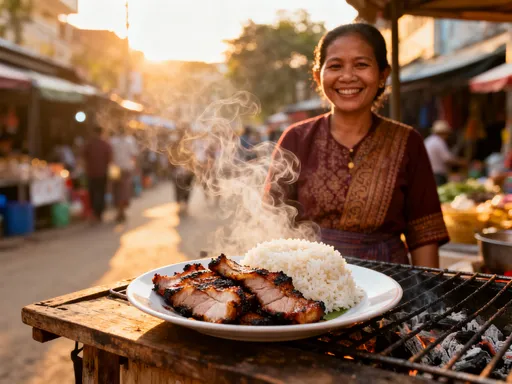
Surabaya’s street food is more than a collection of dishes—it is a living archive of culture, resilience, and community. In a city that is rapidly modernizing, with new malls and high-rises rising every year, the persistence of warungs and street carts is a quiet act of resistance. These vendors preserve recipes passed down through generations, maintaining flavors that might otherwise disappear in the tide of globalization. They also provide livelihoods for thousands of families, often operating as sole proprietors with minimal overhead. A single *sate* cart might support an entire household, sending children to school and elders to the doctor.
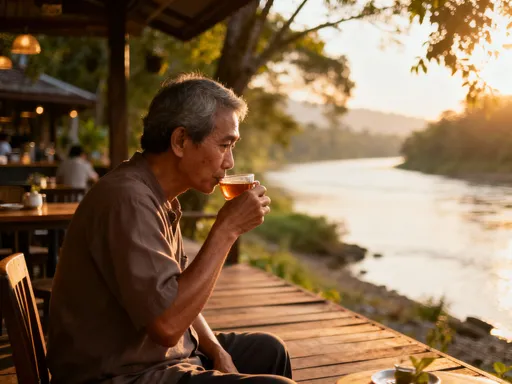
Food in Surabaya is also a connector. It bridges generations—the young learning to eat *rujak cingur* from their grandparents, the elderly sharing stories over *teh poci* (clay pot tea). It connects neighborhoods, as people travel across the city for a favorite *bakso* stall. And it connects visitors to locals, creating moments of shared humanity over a plastic table. In these interactions, food becomes more than sustenance—it becomes dialogue, memory, belonging.
For the traveler, choosing to eat at street stalls is not just a culinary adventure but an ethical one. It is a way to support small businesses, honor tradition, and engage with a city on its own terms. When you sit on a plastic stool, eat with your hands, and savor a dish made with decades of skill, you are not just tasting Surabaya—you are becoming part of it. So come with an open mind, a curious palate, and a willingness to embrace the messiness of real life. Because in Surabaya, the best stories are not told—they are tasted.