What If Your Workout Was Aging You Instead of Fighting It?
You hit the gym regularly, proud of your sweat sessions—so why do you still feel tired, stiff, or older than you should? Turns out, not all exercise fights aging. Some types can even speed it up. I learned this the hard way. After years of overdoing intense workouts, I saw more joint pain and slower recovery. But when I shifted to smarter movement, everything changed. This is about what actually works for long-term vitality. The goal isn’t just to stay active—it’s to move in ways that support your body’s ability to repair, renew, and thrive over decades. The science is clear: movement is one of the most powerful tools we have against aging. But only if it’s the right kind of movement, done at the right intensity, with enough recovery. This isn’t about working less. It’s about working smarter—so you feel better, longer.
The Hidden Cost of "More Is Better" Fitness Culture
For decades, fitness messaging has glorified intensity. Push harder. Go faster. Lift more. While these principles may serve elite athletes in their 20s, they often backfire as we age. The “no pain, no gain” mindset can lead to chronic wear and tear, not lasting strength. As women enter their 30s, 40s, and beyond, hormonal shifts, slower recovery, and changes in joint resilience make high-volume, high-impact routines risky. The body responds not just to what we do, but how often and how well it recovers. When exercise becomes a source of constant stress rather than renewal, it stops being protective and starts contributing to aging.
The difference lies in how the body processes stress. Acute stress—like a challenging 30-minute walk or a strength session followed by rest—triggers beneficial adaptations. It strengthens muscles, improves circulation, and enhances cellular repair. But chronic stress—repeated intense workouts without adequate recovery—elevates cortisol, the primary stress hormone. Over time, high cortisol levels are linked to increased fat storage, weakened immunity, muscle breakdown, and disrupted sleep. These changes mimic and accelerate biological aging. Research from the Journal of Clinical Endocrinology & Metabolism shows that chronically elevated cortisol is associated with shorter telomeres, a key marker of cellular aging.
This is where the concept of hormesis becomes essential. Hormesis describes how small, controlled stressors can strengthen the body’s defenses. Think of it like a vaccine: a little exposure trains the system to respond better. Moderate exercise is hormetic—it challenges the body just enough to stimulate repair and resilience. But when the dose is too high or too frequent, the benefit disappears, and damage accumulates. Many women in their 40s and 50s report feeling more exhausted after intense spin classes or daily HIIT workouts than they did in their 30s. This isn’t weakness—it’s a signal that the body’s recovery capacity has changed.
Real-life examples are common. A 48-year-old teacher who ran marathons in her 30s may now experience knee pain and constant fatigue after long runs. A 42-year-old executive who prides herself on daily CrossFit sessions might notice her sleep worsening and her motivation fading. These aren’t signs of failure—they’re signs of mismatch. The routines that once energized them now drain them because the body’s needs have evolved. The goal isn’t to stop moving, but to move in ways that align with where you are now, not where you were 15 years ago.
How Exercise Really Affects Aging: The Science Behind Movement and Longevity
To understand how exercise influences aging, we must look beyond how we feel day to day and examine what’s happening at the cellular level. Four key biological markers determine how well we age: telomere length, mitochondrial function, inflammation levels, and muscle mass preservation. Each of these is influenced by physical activity—but not always in the way we assume. The right kind of movement supports longevity; the wrong kind can accelerate decline.
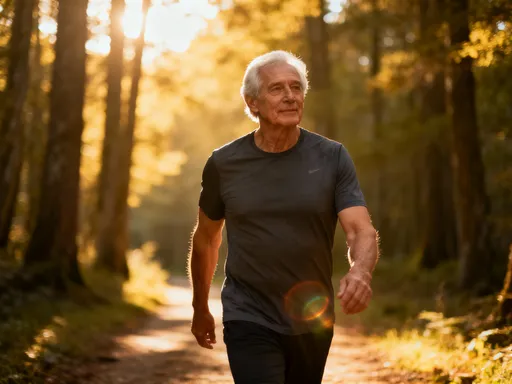
Telomeres are protective caps at the ends of our chromosomes that shorten with each cell division. When they become too short, cells can no longer divide and become senescent—essentially, they stop functioning but don’t die. This contributes to aging and age-related diseases. A landmark study published in the British Journal of Sports Medicine found that adults who engaged in regular, moderate physical activity had significantly longer telomeres than sedentary individuals or those who performed high-intensity, prolonged exercise. The sweet spot? 30 to 45 minutes of brisk walking, cycling, or swimming most days of the week.
Mitochondria, often called the powerhouses of the cell, produce energy in the form of ATP. As we age, mitochondrial function declines, leading to fatigue and reduced metabolic efficiency. Exercise that challenges the aerobic system—like sustained walking or stair climbing—stimulates mitochondrial biogenesis, the creation of new mitochondria. This process is enhanced when exercise is balanced with recovery. However, excessive high-intensity training without rest can overwhelm mitochondria, increasing oxidative stress and damaging DNA. The result? More fatigue, not less.
Inflammation is another critical factor. Chronic, low-grade inflammation—often called “inflammaging”—is linked to heart disease, arthritis, and cognitive decline. Moderate exercise reduces inflammatory markers like C-reactive protein (CRP) and interleukin-6 (IL-6). But overtraining does the opposite. A 2020 review in the journal Frontiers in Physiology found that athletes who consistently exceeded recovery capacity had elevated inflammatory markers, even at rest. This suggests that more exercise isn’t always better—especially when it comes to long-term health.
Muscle mass preservation is perhaps the most visible sign of aging. After age 30, adults lose 3% to 5% of muscle mass per decade, a condition known as sarcopenia. Resistance training is the most effective way to slow this loss. However, the type and frequency matter. Lifting heavy weights every day without rest leads to joint strain and central nervous system fatigue. The most sustainable approach is moderate resistance training—2 to 3 times per week—with emphasis on form, time under tension, and progressive overload. This builds strength without breaking down the body.
The science is clear: the best exercise for longevity isn’t extreme. It’s consistent, moderate, and recovery-focused. It supports the body’s natural repair systems instead of overwhelming them. The goal isn’t to train like an athlete preparing for a competition—it’s to move in a way that keeps you strong, mobile, and energized for the next 30 years.
The Three Types of Movement That Actually Slow Aging
If not high-intensity workouts, then what? The answer lies in a balanced trio of movement types: low-impact endurance, resistance training, and mobility work. Each plays a unique role in supporting long-term health, and together, they create a foundation for vitality that lasts.
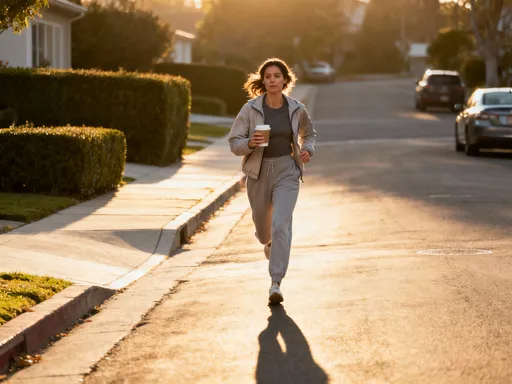
Low-impact endurance activities—such as walking, cycling, swimming, or using an elliptical machine—are among the most effective tools for cardiovascular health and metabolic function. Unlike sprinting or HIIT, these activities elevate the heart rate without placing excessive strain on joints or the nervous system. A 2018 study in The Lancet followed over 400,000 adults and found that regular moderate exercisers had a 30% lower risk of premature death than sedentary individuals. Walking, in particular, was linked to improved circulation, better mood, and reduced risk of chronic disease. For most women, 30 to 60 minutes of brisk walking most days of the week provides significant benefits without the wear and tear of high-impact cardio.
Resistance training is essential for maintaining muscle mass, bone density, and metabolic rate. As we age, muscle loss accelerates, leading to weakness, poor balance, and increased fall risk. Strength training counters this by stimulating muscle protein synthesis. However, the approach matters. Lifting extremely heavy weights every day increases injury risk and cortisol levels. A smarter strategy is to focus on time under tension—slowing down each repetition to increase muscle engagement without needing maximal loads. Two to three sessions per week, targeting all major muscle groups, are sufficient. Bodyweight exercises, resistance bands, or light dumbbells can be just as effective as heavy lifting when done with control and consistency.
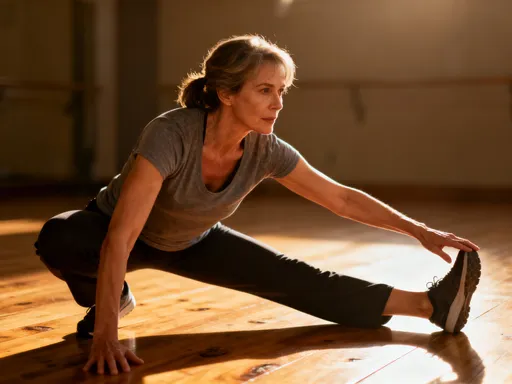
Mobility work—such as yoga, tai chi, or dynamic stretching—supports joint health, balance, and nervous system regulation. Stiffness and limited range of motion are common complaints among women over 40, often mistaken as inevitable signs of aging. But research shows that regular mobility practice can improve flexibility, reduce pain, and enhance coordination. A 2021 study in Complementary Therapies in Medicine found that women who practiced yoga three times a week for 12 weeks reported significant improvements in balance, sleep quality, and perceived energy levels. Mobility isn’t just about touching your toes—it’s about maintaining the ability to move freely and confidently through daily life.
Integrating all three types doesn’t require hours in the gym. A simple weekly plan might include 30-minute walks five days a week, two 20-minute strength sessions, and three 15-minute mobility routines. The key is consistency, not intensity. These movements work together to support cardiovascular health, preserve muscle, and maintain joint function—without pushing the body into overtraining territory.
Why Recovery Is Where the Real Anti-Aging Happens
Most fitness plans focus on what you do during workouts. But the real magic—the cellular repair, hormone balance, and tissue regeneration—happens during recovery. This is when the body rebuilds muscle, reduces inflammation, and resets the nervous system. Without adequate recovery, even the best exercise routine becomes a source of stress, not strength.
Sleep is the cornerstone of recovery. During deep sleep, the body releases growth hormone, which supports tissue repair and muscle growth. Poor sleep disrupts cortisol regulation, increases hunger hormones, and impairs cognitive function. Women over 40 often face sleep challenges due to hormonal shifts, but prioritizing 7 to 8 hours of quality sleep is non-negotiable for longevity. Simple habits—like reducing screen time before bed, keeping a consistent sleep schedule, and creating a cool, dark sleeping environment—can make a significant difference.
Hydration is another often-overlooked recovery tool. Water is essential for nutrient transport, joint lubrication, and detoxification. Even mild dehydration can impair concentration, increase fatigue, and slow recovery. Drinking enough water throughout the day—especially after exercise—supports every bodily function. Herbal teas, broths, and water-rich foods like cucumbers and melons also contribute to hydration.
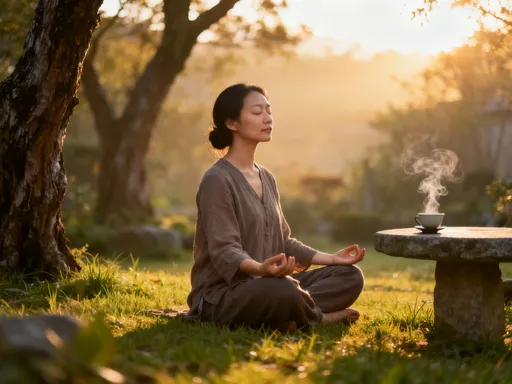
Mindful downtime is equally important. Chronic stress—whether from work, family, or intense workouts—keeps the body in a state of fight-or-flight. Practices like breathwork, meditation, or simply sitting quietly can activate the parasympathetic nervous system, promoting relaxation and repair. Deep, slow breathing for just five minutes a day has been shown to lower cortisol and improve heart rate variability, a marker of resilience.
One of the most powerful recovery processes is autophagy—the body’s way of cleaning out damaged cells and recycling cellular components. This process is enhanced by both exercise and fasting, but only when followed by rest. Overtraining without rest suppresses autophagy, allowing cellular debris to accumulate. Scheduled rest days, intermittent fasting (with medical approval), and quality sleep all support this natural cleanup process.
Simple recovery habits can be built into daily life. A 10-minute evening stretch, a short walk without a fitness tracker, or a few minutes of box breathing can signal to the body that it’s safe to repair. Cold exposure—like a 30-second cold shower at the end of a bath—may also reduce inflammation and boost circulation. The goal isn’t to add more to your to-do list, but to honor the body’s need for balance.
Signs Your Workout Might Be Speeding Up Aging
How do you know if your routine is helping or harming? The body sends clear signals when recovery is lagging. Persistent muscle soreness that lasts more than 72 hours, declining energy levels, trouble falling or staying asleep, frequent colds, and a loss of enthusiasm for exercise are all red flags. These aren’t signs of laziness—they’re signs that your nervous system is overwhelmed.
Elevated cortisol is often the culprit. When cortisol stays high due to chronic stress or overtraining, it breaks down muscle, stores belly fat, and weakens immunity. Low testosterone and estrogen imbalances—common in perimenopause—can also impair recovery, making it harder to rebuild tissue. These hormonal shifts don’t mean you should stop exercising—they mean you should adjust how you exercise.
Tracking simple metrics can provide insight. Monitoring your resting heart rate each morning can reveal recovery status. A sudden increase of 5 to 10 beats per minute may indicate fatigue or stress. Mood changes, irritability, and difficulty concentrating are also signs that your routine may be too intense. Instead of pushing through, these signals invite a pause—a chance to recalibrate.
Self-assessment doesn’t require fancy tools. Ask yourself: Do I look forward to moving, or do I dread it? Do I feel energized after workouts, or drained? Am I recovering within a day, or does it take days to feel normal? Honest answers can guide adjustments. Maybe it’s time to replace one HIIT session with a walk. Perhaps adding a rest day or focusing on mobility would help. These aren’t failures—they’re acts of wisdom.
Building a Sustainable Routine: From Burnout to Balance
Creating a longevity-focused routine starts with shifting the goal from performance to sustainability. You’re not training for a race—you’re building a body that feels strong and capable for decades. This means designing a plan that fits your life, not one that dominates it.
A balanced weekly structure might include: 4 to 5 days of low-impact endurance (like walking or cycling), 2 days of resistance training (focusing on form and control), and 3 to 4 days of mobility work (such as yoga or stretching). Rest days should be intentional—not just days when you’re too tired to move, but days dedicated to recovery. Even 10 minutes of mindful movement counts.
For busy schedules, short, frequent sessions are more effective than long, infrequent ones. Three 10-minute walks spread through the day can be as beneficial as one 30-minute session. Home workouts with minimal equipment—like resistance bands or bodyweight exercises—make consistency easier. And for those with joint limitations, water-based exercises or seated strength routines offer safe alternatives.
The key is consistency over intensity. Small, daily actions compound over time. Walking after meals, taking the stairs, or doing gentle stretches before bed all contribute to long-term health. Progress isn’t measured in pounds lost or reps completed—it’s measured in how you feel: more energy, better sleep, less pain, and greater ease in movement.
Beyond the Gym: How Mindset Shapes How You Age
Physical habits are only part of the story. The way you think about aging and exercise profoundly influences your experience. Many women internalize the message that aging is decline—that strength, energy, and vitality are only for the young. But this is a myth. Aging is not a disease. It’s a natural process that can be supported with wisdom, care, and intention.
Self-compassion is a powerful ally. Instead of criticizing yourself for not keeping up with younger routines, honor the changes in your body. Celebrate what it can do, not what it once did. Patience allows for long-term adherence. Lasting health isn’t built in a month—it’s built through years of small, consistent choices.
Reframing movement as self-care, not punishment, transforms the experience. Exercise shouldn’t leave you feeling broken. It should leave you feeling alive. When you move to nourish rather than exhaust, you create a relationship with your body that sustains you for life.
True anti-aging isn’t about defying time—it’s about moving with it. The right kind of exercise doesn’t drain you; it energizes, protects, and connects you to your body’s natural rhythm. When you choose sustainability over intensity, you’re not just staying fit—you’re building a future where you feel strong, capable, and alive at every age.