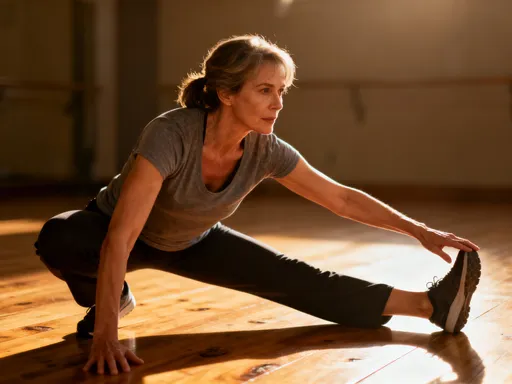
How I Finally Made Exercise a Habit—And Transformed My Daily Life
For years, I struggled to stick with exercise—starting strong, then fading fast. But last year, something clicked. By reshaping small daily habits and designing a realistic movement plan, I built consistency without burnout. It wasn’t about intensity; it was about integration. This is how a sustainable fitness routine became a natural part of my lifestyle, bringing more energy, focus, and balance than I ever expected. The shift didn’t come from a new diet, a trendy workout, or a dramatic life event. Instead, it came from understanding what truly sustains long-term change: not motivation, but structure, self-awareness, and kindness. What follows is not a miracle story, but a practical roadmap—one rooted in behavioral science, real-life adjustments, and the quiet power of showing up, even when you don’t feel like it.
The Real Problem with Most Fitness Plans
Many people begin a fitness journey with high hopes, only to abandon it within weeks. The reason is not a lack of willpower, but a mismatch between the plan and real life. Traditional fitness programs often demand rigid schedules, intense workouts, and rapid results—conditions that are difficult to maintain amidst the unpredictability of daily responsibilities. For women in their 30s to 55s, juggling careers, family, and household duties, adding another demanding routine can feel overwhelming rather than empowering. These programs fail because they rely on motivation, which fluctuates, rather than on habits, which endure.
Psychological research consistently shows that human behavior is shaped more by environment and routine than by discipline. When a plan requires willpower alone, it sets people up for failure. The all-or-nothing mindset—where skipping one workout feels like total defeat—only deepens discouragement. This black-and-white thinking ignores the reality that life is fluid. Missed workouts, travel, illness, and emotional fatigue are not signs of failure, but normal parts of life. Sustainable change does not come from pushing harder, but from designing a system that accommodates imperfection.
Behavioral science supports the idea that small, repeatable actions are more effective than dramatic overhauls. Studies on habit formation, such as those by Dr. BJ Fogg and Dr. Wendy Wood, emphasize that consistency matters more than intensity. Tiny behaviors—like five minutes of stretching or a short walk after dinner—can become automatic when repeated in the same context. These micro-habits build neural pathways that make action easier over time. The key is not how much you do, but whether you do it regularly. Lasting fitness is not built on heroic efforts, but on daily choices that fit naturally into your life.
Instead of relying on motivation, the focus should shift to behavior design. This means creating conditions that make movement easy, enjoyable, and integrated into existing routines. It’s not about forcing yourself to the gym every morning; it’s about removing barriers and making physical activity a seamless part of your day. When exercise stops being a chore and starts being a natural rhythm, it becomes sustainable. The goal is not perfection, but persistence. And persistence, over time, transforms not just your body, but your mindset and daily experience.
Rethinking Movement: From Exercise as a Chore to Lifestyle Integration
One of the most powerful shifts in my journey was changing how I defined exercise. I used to think of it as something that had to happen in a gym, for a set amount of time, with measurable effort. If it wasn’t a structured workout, it didn’t count. This mindset created resistance—because fitting in an hour-long session felt impossible most days. But when I began to see movement as any intentional physical activity, everything changed. Walking while on the phone, playing with children in the yard, gardening, or even standing while folding laundry became valid forms of movement. This broader definition removed the pressure and made consistency achievable.
Reframing exercise as daily movement reduces mental resistance. When the bar is low, the motivation to start is higher. Instead of thinking, “I need to do a full workout,” I began asking, “How can I move my body today?” This subtle shift made activity feel accessible, not intimidating. Over time, these small moments of movement added up. Research from the American Heart Association shows that accumulating physical activity in short bursts throughout the day provides similar cardiovascular benefits as longer, continuous sessions. The body doesn’t care if you walked 10 minutes three times or 30 minutes at once—it responds to consistent use.
Integrating movement into daily life also builds automaticity. When physical activity is tied to existing habits, it becomes easier to remember and perform. For example, I started doing calf raises while brushing my teeth and shoulder rolls while waiting for the kettle to boil. These “movement snacks” required no extra time and gradually strengthened my body. Similarly, replacing sedentary habits with active ones—like taking the stairs instead of the elevator or parking farther from the store entrance—creates a lifestyle of motion without requiring a formal workout. These choices, repeated daily, become second nature.
Enjoyment plays a crucial role in long-term adherence. If an activity feels like punishment, it’s unlikely to last. But when movement is tied to pleasure—dancing to favorite music, walking in nature, or joining a low-pressure community class—it becomes something to look forward to. Personal preference matters. Some people enjoy yoga, others prefer gardening or swimming. The best exercise is the one you’ll actually do. By honoring individual preferences and making movement enjoyable, it becomes self-reinforcing. Over time, the body begins to crave the energy and clarity that movement brings, creating a positive feedback loop that supports lifelong wellness.
Building a Personalized Movement Blueprint
A one-size-fits-all fitness plan rarely works because every person has a unique schedule, energy pattern, and physical comfort level. The first step in building a sustainable routine is self-assessment. I began by observing my daily rhythm: when I had the most energy, when I felt most fatigued, and where I could realistically fit in movement. For me, mornings were too rushed, and evenings were often taken by family responsibilities. But mid-afternoon, after the kids were at school and before dinner prep, offered a quiet 20-minute window. Identifying this slot allowed me to design a plan that matched my reality, not an idealized version of it.
Next, I assessed my physical comfort. After years of inactivity, high-impact workouts caused joint discomfort and discouraged me. So I started with low-impact activities: walking, gentle yoga, and bodyweight exercises. The goal was not to push my limits, but to build consistency. I adopted the principle of starting below capacity—doing less than I could, so I could show up every day without burnout. This approach, supported by exercise science, reduces injury risk and increases adherence. When you finish a session feeling capable rather than exhausted, you’re more likely to return the next day.
I then created a flexible weekly structure: three days of strength training, three of cardiovascular activity, and one of active recovery. Strength sessions included resistance bands and bodyweight exercises like squats and push-ups against the wall. Cardio consisted of brisk walks, dancing, or using a stationary bike. Active recovery involved stretching or a leisurely walk. This framework provided balance without rigidity. If I missed a day, I didn’t panic—I simply adjusted. Flexibility, not perfection, became the goal. The structure was a guide, not a rulebook.
“Movement snacks” were central to this blueprint. These were short bursts of activity—three to five minutes—scattered throughout the day. Examples included wall sits while waiting for the microwave, seated leg lifts during phone calls, or shoulder stretches during TV commercials. These micro-sessions required no equipment and fit into small gaps in the day. Over time, they improved my posture, circulation, and muscle tone. Research from the Mayo Clinic suggests that breaking up prolonged sitting with brief movement reduces metabolic risks, even in otherwise sedentary individuals. By designing a plan that worked with my life, not against it, I made movement sustainable.
Habit Stacking and Environmental Design for Success
One of the most effective strategies I adopted was habit stacking—linking a new behavior to an existing one. This technique, popularized by James Clear in *Atomic Habits*, leverages the brain’s tendency to associate routines. For example, I began doing squats while brushing my teeth. Because brushing was already a non-negotiable habit, the squats became automatic. Over time, I added other stacks: calf raises during hair drying, arm circles while waiting for coffee, and deep breathing before checking email. These tiny actions required no extra time but gradually built strength and awareness.
Environmental design was equally important. I made movement easier by reducing friction. Every night, I laid out my workout clothes and resistance bands on the chair near my bed. This small act removed the morning decision-making that often led to procrastination. I also placed a yoga mat in the living room, where I could see it. Visibility served as a gentle reminder, not a demand. I set phone reminders labeled “Move Your Body” at three random times during the day. These nudges helped me pause and stretch, even during busy moments.
I reorganized my workspace to support movement. I used a standing desk for part of the day and placed resistance bands on my desk. I also took walking breaks instead of sitting during phone calls. These small changes transformed my environment into one that encouraged activity. Studies show that people are more likely to engage in healthy behaviors when the environment supports them. For instance, keeping exercise equipment visible increases usage by up to 30%, according to research published in the *Journal of Physical Activity and Health*. Designing my space for movement made consistency effortless.
Scheduling movement like appointments also improved adherence. I blocked 20 minutes in my calendar three times a week for structured activity. Treating it as a non-negotiable commitment—like a doctor’s visit or school pickup—increased follow-through. I also allowed flexibility: if I couldn’t do the full session, I did five minutes. The rule was simple: never skip twice in a row. This mindset prevented a single missed day from becoming a pattern. By combining habit stacking, environmental cues, and scheduling, I created a system that supported consistency, not willpower.
Tracking Progress Beyond the Scale
For years, I measured fitness success by the number on the scale. But this narrow focus led to frustration, especially when the scale didn’t move despite consistent effort. The turning point came when I shifted to non-scale markers of progress. I began noticing improvements in energy, sleep quality, and mood—changes that mattered more than weight. I could climb stairs without getting winded, stand for longer periods without back pain, and focus better during the day. These functional gains were tangible evidence of progress, even when the scale stayed the same.
I started tracking other indicators: how many hours I spent sitting, how often I took walking breaks, and how I felt after movement. I kept a simple journal, rating my energy and mood each evening. Over time, I saw a clear pattern: on days I moved, I slept better and felt calmer. This data reinforced the value of consistency. I also used habit-tracking apps to log daily movement, which provided visual motivation. Seeing a streak of green checkmarks encouraged me to keep going, even on low-motivation days.
Research supports the power of non-scale victories. A study in the *International Journal of Behavioral Nutrition and Physical Activity* found that people who focused on functional improvements—like strength, endurance, and mood—were more likely to maintain exercise long-term than those focused on weight loss. The body responds to movement in ways that aren’t always visible: improved insulin sensitivity, stronger bones, better circulation, and reduced inflammation. These internal changes are more important than appearance, yet often overlooked.
Tracking also helped me see that motivation follows action. I used to wait to feel motivated before exercising, but I learned that movement itself generates energy and clarity. Even a five-minute walk could shift my mood and focus. This insight freed me from the myth that I needed to “feel like it” to begin. Progress, not perfection, became the goal. By celebrating small wins—like completing a week of movement snacks or trying a new activity—I built confidence and momentum. Over time, the habit became self-sustaining.
Overcoming Plateaus and Staying Resilient
Setbacks are inevitable. There were weeks when I missed workouts due to illness, travel, or family demands. At first, these lapses triggered guilt and the urge to quit. But I learned to normalize them. Missing a day doesn’t erase progress; it’s part of the process. I adopted the “one-day rule”: never skip twice in a row. This simple guideline prevented a temporary break from becoming a permanent stop. Even if I only did two minutes of stretching, I showed up. That small act maintained the habit and rebuilt momentum.
When motivation dipped, I adjusted intensity instead of quitting. On low-energy days, I swapped strength training for gentle stretching or a short walk. This flexibility kept me engaged without burnout. I also practiced self-compassion, reminding myself that fitness is a lifelong journey, not a race. Beating myself up only made it harder to return. Instead, I focused on progress, not perfection. Research from the University of Texas shows that self-compassion increases resilience in health behaviors, helping people bounce back from setbacks more quickly.
Plateaus are also normal. After a few months, I stopped seeing rapid changes. But instead of pushing harder, I introduced variety. I tried a new online yoga class, started gardening more, or took weekend hikes. These changes reignited interest and challenged my body in new ways. Periodic resets—shifting routines every 6–8 weeks—kept things fresh and prevented boredom. Exercise should evolve with your life, not stay static.
Staying resilient also meant maintaining a long-term perspective. I stopped viewing fitness as a temporary fix and started seeing it as a daily act of self-care. This shift in mindset transformed my relationship with movement. It wasn’t about punishment or appearance; it was about feeling strong, clear, and capable. Each small choice built trust in myself. Over time, this trust extended to other areas—eating, sleep, and emotional well-being. Consistency, not intensity, became the measure of success.
The Ripple Effect: How Movement Transforms More Than Fitness
The most surprising benefit of regular movement was its ripple effect on other areas of life. I began sleeping more deeply and waking with more energy. My ability to focus improved, making daily tasks easier to manage. I noticed a shift in mood—less irritability, more calm. Exercise became a form of emotional regulation, helping me process stress and anxiety. These secondary benefits were not side effects; they were central to the transformation.
Consistent movement also built self-trust. Every time I showed up for myself, even in a small way, I reinforced the belief that I could keep my promises. This discipline spilled over into other habits—drinking more water, eating more mindfully, setting boundaries. Fitness became less about the body and more about character. It taught me patience, resilience, and the value of small, repeated efforts.
The compounding effect of daily choices became evident over time. What started as five-minute walks turned into a lifestyle of motion. I didn’t achieve a dramatic physical transformation, but I gained something more valuable: a sense of balance, clarity, and strength. I felt more present with my family, more capable at work, and more at peace with myself. Movement became a form of daily renewal, not just physical, but mental and emotional.
Fitness, I realized, is not about changing who you are, but about honoring who you are. It’s not a punishment for eating or sitting too much, but a celebration of what the body can do. It’s a commitment to showing up, consistently, with kindness and intention. The journey isn’t about reaching a destination; it’s about creating a life where movement is a natural, joyful part of being. And that kind of change lasts not for weeks or months, but for a lifetime.