How I Rebooted My Body After Quitting Smoking and Cutting Back on Alcohol
What happens when you finally say no to cigarettes and step back from heavy drinking? I found out the hard way—and the healing way. It’s not just about quitting; it’s about rebuilding. Within weeks, my energy shifted, my lungs thanked me, and my mind cleared. This is a real talk on how your body repairs itself, what to expect, and the small, powerful moves that speed up recovery—all from someone who’s been there. The journey wasn’t easy, but it was transformative. It began not with a dramatic decision, but with a quiet realization: I was tired of feeling tired. My breath came short after climbing stairs. My mornings started with a cough and a foggy head. I wanted more for myself, not just longer life, but better living. And so began a path many walk, though few speak about in full honesty—the physical, emotional, and mental reset that follows leaving behind smoking and excessive alcohol.
The Wake-Up Call: Why I Decided to Change
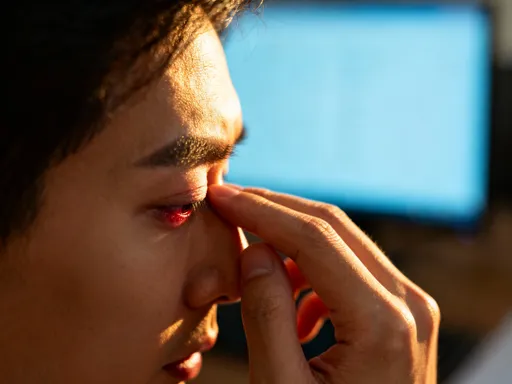
For over fifteen years, smoking and drinking were woven into the rhythm of my days. A cigarette with coffee. A glass of wine to unwind. Over time, one became five, and a glass became a bottle. It felt normal, even acceptable—after all, everyone around me did it too. Social gatherings revolved around drinks. Work stress was managed with a smoke break. But slowly, the cost became impossible to ignore. I started noticing I couldn’t keep up on family walks. My daughter asked why I always sounded out of breath. That question hit harder than any doctor’s warning.
The turning point came during a routine check-up. My blood pressure was elevated. My lung function was below average for my age. The doctor didn’t scold, but her calm tone carried weight: “Your body is trying to tell you something.” That night, I sat with the silence of a house asleep and faced the truth—I wasn’t living well. I wasn’t present. I was relying on substances to get through the day, and in return, they were stealing my vitality.
I wasn’t alone in this. Millions of people reach a similar crossroads. Some are motivated by health scares, others by aging parents, growing children, or a desire to feel more in control. Common signs that it might be time to change include persistent fatigue, difficulty sleeping, frequent colds, mood swings, and a growing sense that your habits are running your life instead of the other way around. The emotional weight of dependency is real. It’s not just physical—it’s the guilt after a night of too much to drink, the shame of hiding cigarettes, the frustration of failed quit attempts.
Societal norms make quitting harder. Alcohol is celebrated in advertising, embedded in traditions, and expected at celebrations. Smoking, though less common now, still carries a sense of rebellion or relaxation in media portrayals. Breaking away from these patterns can feel isolating. But choosing health isn’t rebellion—it’s reclamation. It’s taking back your energy, your clarity, and your future, one choice at a time.
What Actually Happens in Your Body When You Quit? (The Science Made Simple)
One of the most powerful motivators in recovery is understanding what your body does when given the chance to heal. The human body is remarkably resilient. When you stop smoking and reduce alcohol intake, healing begins almost immediately—even if you can’t feel it yet. This internal repair is not magic; it’s biology. And knowing the timeline can help you stay committed during tough moments.
Within 20 minutes of your last cigarette, your heart rate and blood pressure begin to drop. After 12 hours, carbon monoxide levels in your blood return to normal, allowing oxygen to flow more freely. By day two, your sense of smell and taste start to improve as nerve endings begin to regrow. Between one to three months, circulation improves and lung function increases. Cilia—tiny hair-like structures in your lungs that clear mucus and fight infection—begin to recover, reducing coughing and shortness of breath.
After three to nine months, lung capacity can improve by up to 10%. This is when many people notice they can climb stairs without gasping. By one year, the risk of coronary heart disease is cut in half compared to a continuing smoker. The long-term benefits grow with time: after ten years, the risk of lung cancer drops to about half that of a smoker.
On the alcohol side, the liver—your body’s primary detox organ—begins to repair itself within days of stopping heavy drinking. Fatty liver, a common condition among regular drinkers, can be reversed with sustained abstinence. Inflammation markers in the blood decrease, lowering the risk of chronic diseases. Brain chemistry also shifts. Alcohol disrupts neurotransmitters like GABA and glutamate, affecting mood and anxiety. When you stop, your brain recalibrates. Though this can cause temporary discomfort, over weeks and months, emotional stability improves. Sleep quality deepens, concentration sharpens, and mental fog lifts.
These changes aren’t guaranteed for everyone—genetics, age, and overall health play roles—but the direction is clear: your body wants to heal. It just needs the chance.
The First 72 Hours: Surviving the Withdrawal Wave
The first three days after quitting are often the hardest. This is when withdrawal symptoms peak. For smoking, nicotine leaves the body quickly, triggering cravings, irritability, anxiety, and difficulty concentrating. For alcohol, especially if consumption was heavy, the body may react with insomnia, restlessness, mood swings, and strong urges to drink. These symptoms are not signs of failure—they are signs of change. Your nervous system is adjusting to life without substances it had come to depend on.
Understanding this helps. Cravings typically last only 5 to 10 minutes. If you can ride them out with distraction or breathing, they pass. The key is preparation. Staying hydrated helps flush toxins and reduces headache and fatigue. Drinking water, herbal teas, or electrolyte-rich beverages supports your body’s shift. Light movement—like a short walk or gentle stretching—can ease tension and improve mood by releasing endorphins.
Distraction techniques are powerful. Instead of staring at the clock, engage in activities that occupy your mind: calling a friend, reading, doing a puzzle, or organizing a drawer. Some find comfort in rituals—brewing tea, lighting a candle, journaling thoughts. These small acts create new routines to replace old ones.
Equally important is self-compassion. You may feel shaky, emotional, or impatient. That’s normal. Speak to yourself as you would to a loved one in recovery—with kindness, not criticism. Support systems make a difference. Let family or friends know you’re quitting. Ask for their understanding. Joining a support group, whether in person or online, connects you with others who get it. You don’t have to do this alone.
Fueling Recovery: What to Eat and What to Skip
Nutrition plays a crucial role in healing. After years of smoking and drinking, your body is depleted of key nutrients. Smoking reduces levels of vitamin C, an essential antioxidant. Alcohol interferes with the absorption of B vitamins, magnesium, and zinc. Replenishing these supports tissue repair, boosts immunity, and stabilizes mood.
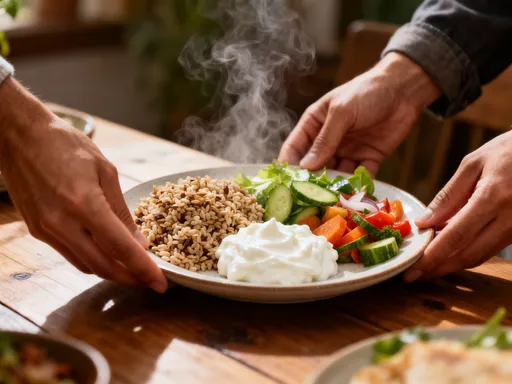
Focus on whole, nutrient-dense foods. Antioxidant-rich fruits like berries, oranges, and kiwis help repair lung tissue and reduce inflammation. Leafy greens—spinach, kale, Swiss chard—provide folate, iron, and fiber. Healthy proteins—such as eggs, fish, beans, and lean poultry—supply amino acids needed for cellular repair. Nuts and seeds offer healthy fats that support brain health, which is especially important during recovery.
Avoid processed foods, especially those high in sugar and refined carbohydrates. These can spike blood sugar, leading to energy crashes and increased cravings. Many people replace the oral fixation of smoking with sugary snacks, but this only creates a new cycle of dependency. Instead, opt for crunchy vegetables, apple slices with almond butter, or plain yogurt with cinnamon.
Caffeine can be tricky. While moderate coffee intake is generally safe, excessive amounts may worsen anxiety and disrupt sleep—both critical during early recovery. If you’re sensitive, consider switching to green tea, which contains L-theanine, a compound that promotes calm focus.
Hydration is non-negotiable. Water aids liver detoxification, keeps mucous membranes moist (helping with dry coughs), and prevents constipation, a common side effect of quitting smoking. Aim for at least eight glasses a day, more if you’re active. Herbal teas like peppermint or ginger can soothe digestion and reduce cravings.
A sample day of eating might include: oatmeal with berries and flaxseed for breakfast; a salad with grilled chicken, avocado, and olive oil dressing for lunch; a snack of carrots and hummus; and baked salmon with roasted sweet potatoes and broccoli for dinner. Small, balanced meals keep energy steady and reduce the urge to reach for quick fixes.
Moving Forward: Exercise That Helps, Not Hurts
When you’re tired and adjusting, the idea of exercise may seem overwhelming. But movement doesn’t have to mean intense workouts. In fact, gentle activity is often more beneficial in early recovery. Walking is one of the best tools. Just 20 to 30 minutes a day improves circulation, boosts mood, and strengthens the heart and lungs. As your stamina returns, you’ll notice you can walk farther, faster, without stopping to catch your breath.
Stretching and breathing exercises are equally valuable. Deep, slow breaths increase oxygen flow and activate the parasympathetic nervous system, which calms the body. Try inhaling for four counts, holding for four, and exhaling for six. This simple practice can reduce cravings and ease anxiety in moments of stress.
Over time, adding light strength training or yoga can enhance flexibility, balance, and muscle tone. The goal isn’t to achieve a certain look, but to feel strong and capable. Exercise also helps regulate sleep, which is often disrupted during recovery. A tired body sleeps better—but only if the mind is calm. Regular movement helps both.
The mental reset from exercise is profound. It builds self-efficacy—the belief that you can make positive changes. Each walk, each stretch, each choice to move is a vote for the healthier version of yourself. And as you build consistency, you begin to enjoy it. You might start noticing birdsong on your morning walk, or the way sunlight hits the trees. These small moments of presence are part of the healing too.
Mind Matters: Coping with Cravings and Emotional Triggers
Physical withdrawal fades, but emotional triggers can linger. Certain situations—stress, boredom, social events, even driving the same route—can spark intense cravings. The key is not to avoid life, but to prepare for it. Awareness is the first step. Identify your high-risk moments and plan alternatives. If you used to drink after work, try brewing herbal tea or going for a walk instead.
Mindfulness helps you observe cravings without acting on them. Instead of fighting the urge, notice it: where do you feel it in your body? What thoughts accompany it? Often, simply naming it—“This is a craving”—takes away its power. Journaling can deepen this awareness. Writing down your thoughts creates distance and clarity. You might realize that a craving isn’t about the cigarette or drink, but about loneliness, stress, or a need for comfort.
Replacement habits are powerful. Find healthy rituals that fulfill the same need. Craving a cigarette with coffee? Try holding a warm mug of tea and stepping outside to breathe fresh air. Missing the social aspect of drinking? Invite a friend for a walk or a non-alcoholic drink at a café. Sleep quality also plays a major role. Poor sleep weakens willpower and increases emotional reactivity. Prioritize a consistent bedtime, limit screen time before bed, and create a calming routine—like reading or listening to soft music.
There’s no shame in seeking professional support. Therapists trained in addiction counseling can help uncover deeper patterns. Coaching provides accountability and practical strategies. In some cases, medical support—such as nicotine replacement therapy or medications to reduce alcohol cravings—may be appropriate under a doctor’s guidance. Recovery is not a test of willpower alone; it’s a process that benefits from tools and support.
Long-Term Wins: What My Body Gave Back
Three months in, I noticed changes I hadn’t expected. My skin looked clearer, less dull. My clothes fit differently—not because I’d lost weight, but because my body was less bloated, more alive. I slept through the night. I woke up without a cough. I could laugh without running out of breath.
By six months, my energy had transformed. I started gardening again, something I’d given up years ago. I could kneel, dig, plant, and stand without needing to rest. My mind felt sharper. I remembered names, appointments, and where I left my keys. My family noticed too. My partner said I seemed more present. My kids said I was less irritable.
At one year, I didn’t just feel better—I felt different. The constant background noise of craving was gone. I no longer measured my days by when I could smoke or drink. I had rebuilt trust in myself. I knew I could keep a promise—to myself. This wasn’t about perfection. There were days I felt tempted. But I had tools now. I had evidence that change was possible.
The biggest gift has been perspective. I no longer see health as a list of restrictions. It’s a daily practice of respect—for my body, my mind, my life. I make choices now not out of fear, but out of care. I drink water because it makes me feel clear. I walk because it lifts my mood. I eat well because it fuels my days. This isn’t a short-term fix. It’s a sustainable shift, built on small, consistent actions.
Recovery isn’t linear. Some days are easier than others. But over time, the balance shifts. The good days outnumber the hard ones. And each victory—no matter how small—adds up.
Quitting smoking and cutting down on alcohol isn’t just an act of willpower—it’s an act of self-respect. Your body is built to heal, but it needs time, care, and consistent choices. This journey isn’t about perfection; it’s about progress. With the right mindset and support, recovery isn’t just possible—it becomes a quiet, daily victory.