How I Quiet My Mind the Simple Way – My Real TCM Stress Relief Journey
Feeling overwhelmed by stress is way too common these days. I was there—racing thoughts, tight shoulders, trouble sleeping. Then I tried gentle TCM-based habits that actually helped. No extreme changes, just small, doable steps rooted in balance and body awareness. It’s not about fixing everything overnight, but finding calm through natural rhythm. This is what worked for me.
The Stress Trap We’re All In
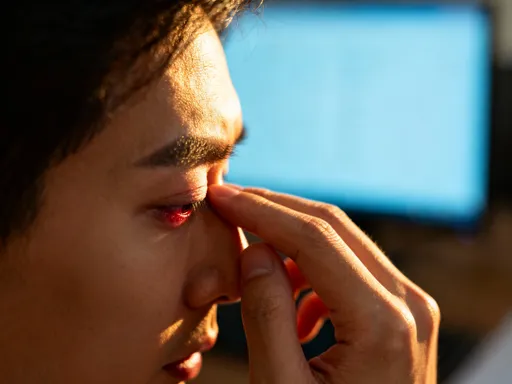
Modern life moves fast, and so does our stress. It’s not just about having a busy schedule; it’s the constant mental load, the pressure to do more, be more, and stay connected at all times. Many women in their 30s to 50s feel this deeply—juggling family, work, household responsibilities, and personal well-being, often putting themselves last. The result? Chronic stress that doesn’t just live in the mind but shows up in the body: headaches, fatigue, digestive discomfort, and restless nights. From a Western medical view, this is the overactivation of the sympathetic nervous system—the “fight or flight” mode that was meant for short-term survival, not long-term living.
Traditional Chinese Medicine (TCM) sees stress differently, not as a psychological issue alone but as a disruption in the body’s vital energy, known as Qi (pronounced “chee”). When stress becomes constant, Qi can become stagnant, especially in the liver and heart systems. Think of it like a river that’s supposed to flow smoothly—when blocked by debris or slowed by drought, the water becomes murky and sluggish. Similarly, when Qi doesn’t move freely, emotions like irritability, anxiety, and sadness can build up. The liver, in TCM, is responsible for the smooth flow of Qi and emotions. When it’s strained by stress, we may feel tense, frustrated, or experience physical symptoms like tight shoulders or menstrual discomfort.
The heart, on the other hand, houses the Shen—the spirit or mind. When stressed, the Shen becomes unsettled, leading to insomnia, racing thoughts, or difficulty focusing. TCM doesn’t treat these symptoms in isolation. Instead, it looks at the whole person—body, mind, and lifestyle—and aims to restore harmony. The goal isn’t to eliminate stress completely—that’s impossible—but to help the body adapt and recover more efficiently. By supporting the natural flow of Qi, we can reduce the impact of daily pressures and create a deeper sense of inner calm.
Why Simplicity Wins in Healing
When we’re overwhelmed, the last thing we need is another complicated routine. Yet, many wellness programs promise transformation through strict diets, intense exercise, or elaborate meditation practices. These can feel intimidating, especially when you’re already stretched thin. The truth is, healing doesn’t require perfection or drastic changes. In fact, small, consistent actions often lead to more lasting results than short-lived overhauls. This is a core principle in TCM: balance is achieved not through force, but through gentle, regular support.
Consider the analogy of a garden. You wouldn’t expect flowers to bloom overnight just because you planted them. Instead, they need consistent care—water, sunlight, and time. The same is true for our well-being. A five-minute breathing practice each morning, a short walk after dinner, or simply sitting down to eat without distractions can, over time, shift the body’s internal environment. These actions may seem minor, but they send a message to your system: you are safe, you are supported, you can relax.
TCM emphasizes listening to your body’s signals and responding with kindness. It’s not about following rigid rules but adapting to your needs each day. Some days, you might need more rest; others, gentle movement. The key is awareness—paying attention to how you feel and making small adjustments. For example, if you notice tension building in your neck, a few shoulder rolls or a moment of deep breathing can release that stagnation before it turns into a full-blown headache. Healing, in this view, is not a destination but a daily practice of returning to balance.
Breath as Your Daily Reset Button
One of the most powerful tools I discovered was also one of the simplest: conscious breathing. In TCM, breath is closely linked to Qi. The lungs govern Qi and help circulate it throughout the body. When we breathe shallowly—common during stress—we limit this flow, reinforcing tension and mental chatter. Deep, abdominal breathing, however, activates the parasympathetic nervous system, signaling the body to relax. It’s like hitting a reset button for your nervous system.
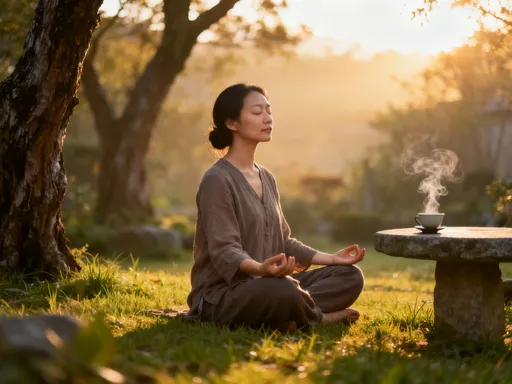
The technique I use is inspired by TCM principles and requires no special training. I sit or lie down comfortably, place one hand on my belly, and inhale slowly through my nose, allowing my abdomen to rise. I don’t force the breath or count rigidly—just let it be natural and full. After a brief pause, I exhale gently, feeling the belly fall. I repeat this for five to ten minutes, usually in the morning or during a work break. The key is consistency, not duration. Even two or three minutes can make a difference.
Over time, I noticed changes that surprised me. My mind felt clearer, my shoulders less tight, and my digestion improved. This isn’t magic—it’s physiology. Deep breathing increases oxygen flow, supports detoxification, and calms the mind. In TCM, it also helps regulate the liver Qi, reducing irritability and emotional volatility. I began to look forward to these moments not as a chore but as a quiet gift to myself. And the best part? No one needs to know you’re doing it. You can practice while waiting in the car, standing in line, or before bed. It’s a private act of care that builds resilience from within.
Movement That Feels Good, Not Hard
We often think of exercise as something strenuous—running, lifting weights, high-intensity workouts. But in TCM, movement is not about pushing the body to its limits. It’s about encouraging the smooth flow of Qi and blood. Gentle, flowing motions are often more effective for stress relief than intense exertion, which can actually deplete Qi if done excessively. The goal is not to burn calories but to reconnect with your body and release stagnation.
Practices like Tai Chi and Qigong are excellent examples of TCM-aligned movement. These ancient disciplines combine slow, deliberate motions with breath awareness and mental focus. They’re not about performance but presence. I started with just ten minutes a day of simple Qigong exercises—raising and lowering my arms, turning my torso gently, shifting weight from one foot to the other. The movements felt almost meditative, and I noticed that my body began to feel lighter, more flexible. There was no soreness, no strain—just a growing sense of ease.
If formal practices don’t appeal to you, even everyday activities can be done with intention. A slow walk in nature, for instance, becomes a moving meditation when you pay attention to your breath and surroundings. Swinging your arms, rolling your shoulders, or stretching after sitting for a while all help move Qi. The key is to move with awareness, not speed. In TCM, the spleen and stomach are responsible for transforming food and thoughts into energy. When we’re sedentary, this process slows down, leading to fatigue and mental fog. Gentle movement stimulates digestion, improves circulation, and lifts the spirit. It’s not about how much you do, but how you do it—with mindfulness and care.
Eating with Rhythm, Not Rules
Diet plays a crucial role in TCM’s approach to stress and emotional balance. Unlike fad diets that focus on restriction, TCM emphasizes eating in harmony with your body’s natural rhythms and the seasons. One of the most helpful shifts I made was moving toward warm, cooked foods, especially in the morning. In TCM, the digestive system is likened to a stove. Cold or raw foods—like smoothies, salads, or iced drinks—require more energy to “heat up” and process, which can weaken digestion over time. This may lead to a buildup of internal “dampness,” a term used to describe sluggishness, bloating, or brain fog.
Instead, I began starting my day with warm oatmeal, congee (a rice porridge), or a simple vegetable soup. These foods are easy to digest and provide steady energy. I also incorporated herbal teas like chrysanthemum, which is said to clear heat and calm the liver, or mint, which helps soothe the digestive tract and ease tension. I avoided eating late at night, giving my body time to rest and repair. These changes weren’t about deprivation but about choosing foods that made me feel nourished and clear-headed.
TCM also teaches that overthinking and worry injure the spleen, which governs digestion and mental focus. When we’re stressed, we may crave sweets or heavy foods, but these can create a cycle of energy spikes and crashes. By eating regular, balanced meals and chewing slowly, I found my energy became more stable, and my mind less scattered. Meals became a time to pause, to reconnect with myself and my family. It wasn’t about perfection—sometimes I still enjoyed a cold drink or a late snack—but the overall pattern shifted toward warmth, rhythm, and care.
Daily Habits That Build Resilience
True resilience isn’t built in a day. It’s the result of small, repeated choices that support long-term balance. In TCM, daily routines are seen as essential for maintaining health. The body thrives on rhythm—consistent sleep, regular meals, and moments of stillness. I began paying attention to my daily flow, creating simple rituals that helped me transition between tasks and wind down at night.
Sleep, in particular, became a priority. In TCM, the hours between 11 p.m. and 1 a.m. are when the liver detoxifies and restores Qi. Going to bed by 10:30 p.m. allowed me to support this natural process. I created a calming evening routine: dimming the lights, turning off screens, and spending a few minutes in quiet reflection or light stretching. I also began using acupressure as part of my self-care. Two points I found especially helpful were Yintang, located between the eyebrows, and Neiguan, on the inner wrist about three finger widths below the palm. Gently massaging these points for a minute or two helped calm my mind and ease physical tension.
Yintang is known as the “third eye” point and is used to quiet the Shen, making it ideal for anxiety or insomnia. Neiguan is often used for nausea, but it also calms the heart and relieves emotional distress. These simple practices didn’t take much time, but they created a sense of agency—I was doing something tangible to support my well-being. Over time, I noticed I fell asleep more easily, woke up feeling refreshed, and handled daily challenges with more patience. These habits weren’t quick fixes, but they built a foundation of strength and calm that carried me through even the busiest days.
When to Seek Help and Stay Grounded
While self-care is powerful, it’s not a substitute for professional support. There were moments when my stress felt overwhelming, and I realized I needed more than home practices. I reached out to a licensed TCM practitioner who offered acupuncture and personalized herbal recommendations based on my constitution. This wasn’t about fixing a problem but deepening my understanding of my body’s needs. Acupuncture, in particular, helped release deep-seated tension and restore energy flow in ways I couldn’t achieve on my own.
It’s important to remember that TCM is a complementary system. It works best when integrated with conventional medical care, not as a replacement. If you’re experiencing persistent symptoms like severe anxiety, depression, or physical pain, consulting a healthcare provider is essential. Healing is not linear—some days will feel easier than others. Progress may be slow, and that’s okay. What matters is showing up for yourself, even in small ways.
My journey with TCM hasn’t erased stress from my life, but it has changed my relationship with it. I no longer see stress as an enemy to defeat but as a signal—a reminder to pause, breathe, and realign. The practices I’ve shared are not about achieving perfection but about cultivating presence. They’ve taught me to honor my body’s natural rhythm, to listen more deeply, and to respond with kindness. That, I’ve learned, is where true healing begins.
Conclusion
Stress doesn’t vanish overnight, but with simple, mindful choices, we can reclaim a sense of peace. TCM taught me to stop chasing quick fixes and start honoring my body’s natural rhythm. It’s not about perfection—it’s about showing up gently, every day. That’s where real change begins.